





Television sets can be intense places. Long days, quick rewrites, and the pressure of getting a scene just right tend to focus everyone’s attention on the human cast.
But on the set of Best Medicine, Fox’s upcoming adaptation of Doc Martin, one of the most reliable scene-stealers doesn’t have a speaking role at all.
His name is Wattson, and he plays Copernicus — a mischievous dog who, according to co-star Josh Segarra, often steals the show without trying.
A scene partner who never misses his mark
Segarra, who plays small-town sheriff Mark Mylow, says working with Wattson has been one of the unexpected joys of filming. While actors are often warned about sharing scenes with children or animals, Segarra doesn’t buy into the fear.
He describes Wattson as focused, energetic, and consistently entertaining — the kind of scene partner who keeps things lively, even during high-pressure moments. For Segarra, days involving animals tend to be the most memorable.
They’re also the ones he shares with his family. Segarra, a father of three young boys, says he often sends photos from set home, especially when animals are involved.
A show built on chemistry
Best Medicine stars Josh Charles as Dr. Martin Best, a big-city surgeon who retreats to a small coastal town after a traumatic experience. The setting may be quiet, but the cast is anything but small.
Annie Potts plays Martin’s aunt, Sarah, while Abigail Spencer, Cree, Didi Conn, and others round out the ensemble as teachers, shop owners, and town officials. Segarra’s Sheriff Mylow is both loyal and deeply invested in Martin’s arrival.
For Segarra, joining the cast was an easy decision. He has long admired Charles’ work and says building their on-screen relationship came naturally.
Their scenes, he notes, are often filled with laughter between takes — a sign of the easy rhythm the cast has developed.


Working alongside a legend
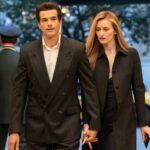
Segarra speaks just as warmly about Potts, calling her both grounding and generous on set. Despite her decades in the industry, he says she brings an openness that puts scene partners at ease.
The two have also found common ground off-camera. Both are parents to sons, and conversations often drift toward family life, memories of younger years, and the strange emotional overlap between acting and parenting.
Those shared experiences, Segarra suggests, add a quiet depth to their scenes together.
Why it shows on screen
Stories like this matter not because they’re flashy, but because they explain something viewers can feel but don’t always see.
Comedies — especially ensemble shows — rely on trust. When actors enjoy being around one another, when they feel supported, the tone shifts. Scenes breathe more. Humor lands softer and more naturally.
Even Wattson, in his own way, becomes part of that dynamic — a reminder that television is a collaborative effort, shaped as much by relationships as by scripts.
As Best Medicine prepares to make its debut, the warmth behind the scenes may be one of its quiet strengths.
Sometimes, the best medicine really is good company.