






A 2-month-old baby who had recently been treated for bronchitis was deported to Mexico alongside his family after several weeks in a Texas immigration detention center — a case now drawing renewed attention to how medically vulnerable children are handled in U.S. custody.
The infant, identified as Juan Nicolás, had spent roughly three weeks at a family detention facility in Dilley, Texas, before being removed from the United States with his parents and toddler sister. Advocates and government officials now offer sharply different accounts of his medical condition and the care he received.
At the center of the debate is a familiar question in immigration policy: what happens when enforcement decisions intersect with the health and safety of very young children.
A Hospital Visit Before Deportation
According to local authorities, Juan Nicolás was taken to a hospital in nearby Pearsall, Texas, on Feb. 16 after showing symptoms of a respiratory infection.
The Department of Homeland Security said doctors evaluated the baby, found him stable and alert, and discharged him the same day. He was returned to the detention center, where officials said medical staff continued monitoring his condition.
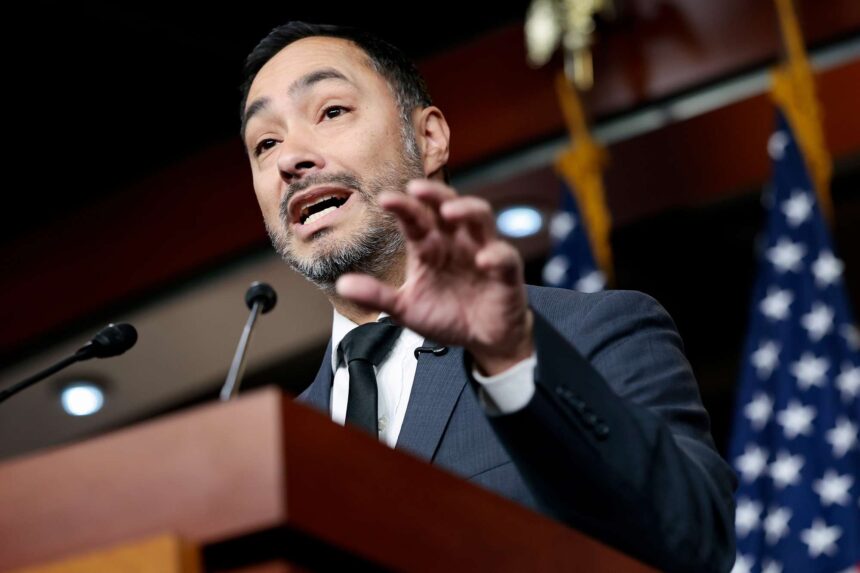
But Rep. Joaquin Castro, a Democrat representing parts of San Antonio, shared a different account based on information from the family’s attorney. Castro said the infant experienced periods of unresponsiveness earlier that day and argued medical access at the facility was insufficient, claiming there was a time when no doctor was immediately available.
Federal officials disputed those concerns, stating that Immigration and Customs Enforcement provides comprehensive medical services, including emergency care, to people in custody.
A Sudden Deportation
Early the following day, the baby’s mother appeared before an immigration judge and was told she would be deported, though she was not informed exactly when or where the removal would occur, Castro said.
Soon afterward, the family — the infant, his 16-month-old sister, and both parents — was deported to Mexico.
According to reports citing the family’s attorney, they left detention with only $190, the remaining balance from their commissary account.


A journalist later reported that after arriving in Mexico, the family used the money to secure a hotel room and planned to seek additional medical care for the baby as soon as possible.
Inside the Dilley Detention Facility
The Dilley family detention center has long been a focal point in debates over U.S. immigration enforcement involving children.
Built in 2014, the facility previously closed in 2024 before reopening in 2025. By mid-January, it housed about 1,400 detainees, including roughly 500 children, according to advocacy groups and reporting cited by officials.
Family detention centers are designed to hold parents and children together while immigration cases move through the system. Critics argue prolonged detention can be especially difficult for young children, while federal agencies maintain that facilities provide necessary services and medical oversight.
Why This Case Is Resonating
Cases involving infants tend to draw heightened public attention because they place policy debates in deeply personal terms. Immigration enforcement, often discussed through statistics and legal frameworks, suddenly becomes a story about a sick baby, anxious parents, and decisions made under uncertainty.
Supporters of stricter enforcement say immigration laws must be applied consistently. Advocates for migrants argue that medical vulnerability — especially for infants — should carry greater weight in deportation decisions.
The truth of what happened inside the facility may ultimately remain contested, but the emotional impact is harder to dispute.
The Human Angle
For many families watching from afar, the story resonates less as a political argument and more as a parental fear: navigating illness while far from home, with limited resources and little control over what happens next.
In immigration debates, policy often feels abstract. Stories like this remind people that the outcomes are lived in small, intimate moments — a hospital visit, a court appearance, a child needing care in an unfamiliar place.
As Juan Nicolás’s family settles back across the border, the larger questions surrounding detention, health care, and deportation remain unresolved, carried forward by one family’s experience.