





At the Winter Olympics, victory and heartbreak often unfold within seconds of each other. On Thursday night at Milan’s ice arena, one of the most memorable moments didn’t involve a jump or a score — but a simple act of kindness between two competitors.
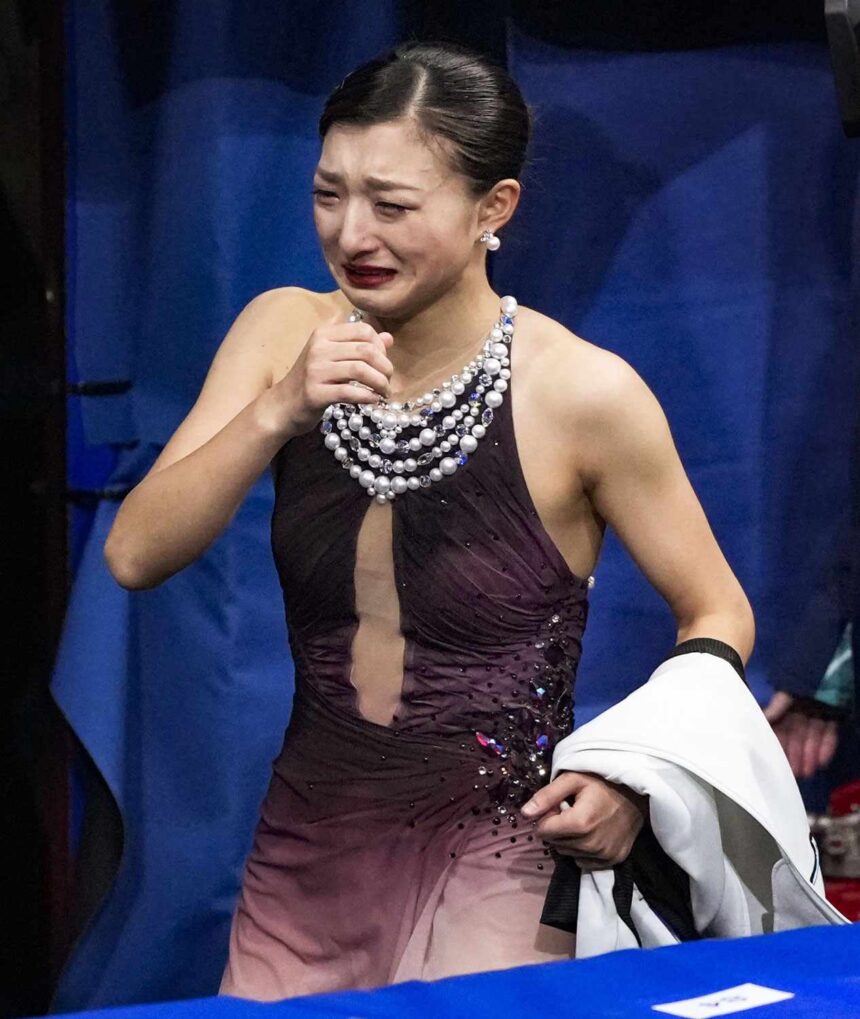
After Japan’s Kaori Sakamoto completed her final skate in the women’s figure skating event, emotion quickly caught up with her. Moments earlier, she had learned she earned silver, finishing behind American gold medalist Alysa Liu.
As cameras rushed toward the visibly tearful skater, another athlete stepped in.
American figure skater Amber Glenn, who had already completed her own program, approached Sakamoto and gently asked a cameraman to give her space. The brief exchange, filmed by a fan and later shared on TikTok, quickly spread online — not for drama, but for its humanity.
A Moment of Protection
Olympic arenas are designed for spectacle, and emotions often become part of the broadcast. But Glenn later explained that, in that moment, she simply recognized something familiar.
In a comment responding to the viral video, she noted that while media crews are doing their jobs, athletes sometimes need privacy when emotions run high. Her instinct, she suggested, was to shield a fellow competitor during a vulnerable moment.

The gesture resonated widely with viewers, many praising the quiet sportsmanship shown between rivals who, minutes earlier, were competing for the same podium.
The Weight of Silver
For Sakamoto, the result carried complicated feelings.
Speaking to reporters afterward, she acknowledged aiming for gold and admitted the disappointment was difficult to process. She had hoped to finish the competition smiling, she said, but instead felt frustration — an emotion she believes will ultimately shape her growth moving forward.
In elite sport, silver medals often exist in emotional contrast: an extraordinary achievement paired with the awareness of how close victory felt.



Glenn’s Own Comeback Night
Glenn’s empathy may have come, in part, from her own emotional journey during the competition.
After a missed jump in the short program left her sitting in 13th place, expectations shifted dramatically. But her free skate told a different story.
Delivering a powerful performance that scored 147.52 points, Glenn surged up the standings to finish fifth overall — a comeback she later described as deeply personal.
Speaking afterward, she said she reminded herself mid-performance to look around and absorb the moment: she was at the Olympics. The realization, she said, filled her with pride regardless of placement.
Earlier in the Games, Glenn had already secured a gold medal in the team event alongside American teammates, including Ilia Malinin.
Why the Moment Stayed With People
Olympic competition often celebrates individual excellence, but moments of connection tend to linger longer in public memory.
Glenn’s gesture highlighted an unspoken reality of elite sport: athletes understand each other’s emotional stakes in ways spectators rarely can. Winning and losing happen publicly, but the experience itself is deeply personal.
The viral clip also sparked conversations about the balance between storytelling and privacy — how much access audiences should have when athletes are processing disappointment in real time.
A Small Gesture, A Lasting Impression
Long after scores fade from headlines, the Olympics are remembered for glimpses of character — the seconds that reveal who athletes are beyond performance.
On a night defined by medals and rankings, one skater simply noticed another needed a moment to breathe. And for many watching around the world, that quiet act became the most meaningful performance of all.