





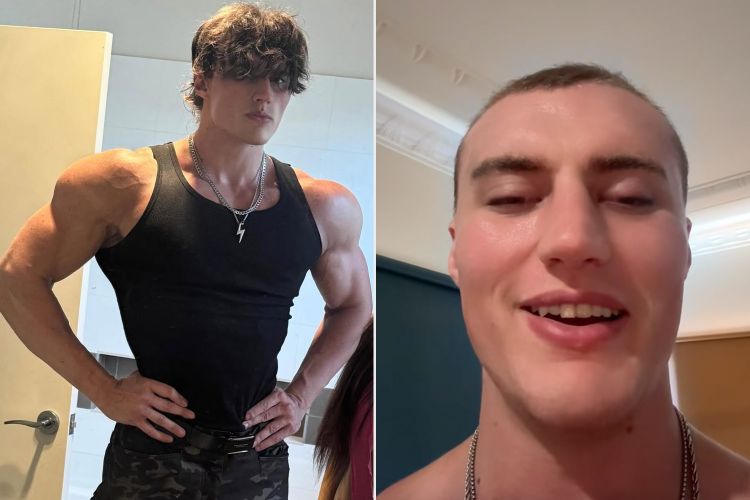
A routine day of filming content turned unexpectedly public for a fitness creator known as Androgenic — and within hours, a brief street encounter became a global talking point about appearance, honesty, and life on the internet.
In a video that quickly spread across X, the creator is seen recording in public when a passerby approaches from behind and abruptly pulls off his hat — along with a wig attached to it. The clip captures a moment of shock as onlookers react and Androgenic runs after the man.
What might once have remained an awkward street incident instead unfolded before millions, opening a wider conversation about how people present themselves online — and how audiences respond when illusion meets reality.
A Public Moment, Instantly Public Opinion
Androgenic built his following through “looksmaxxing” content, a growing online niche centered on improving physical appearance through fitness, grooming, and aesthetic choices.
The viral clip prompted swift reactions. Some viewers accused him of promoting an unrealistic image, arguing that wearing a wig conflicted with the self-improvement message he shares. Others mocked the situation, framing it as proof of insecurity.
As the video circulated, commentary quickly became less about the incident itself and more about authenticity — a recurring tension in influencer culture.

Responding to the Backlash
Soon after, Androgenic addressed the controversy in a response posted on TikTok. In the video, which drew more than 2.3 million views, he said followers already knew he was bald and that he had openly discussed wearing a wig in previous posts.
Rather than denying the moment, he suggested the reaction revealed something deeper about online expectations.
Supporters flooded the comments encouraging him to ignore criticism, while others maintained that influencers have a responsibility to present themselves transparently. The split response mirrored broader debates about how much personal disclosure audiences expect from creators.
When Appearance Becomes Content
In a follow-up video, Androgenic argued that the backlash itself demonstrated the power appearance holds online. The intense reaction, he suggested, reinforced the very pressures that drive appearance-focused communities.



The incident highlights how social media often blurs performance and identity. Influencers curate versions of themselves — sometimes enhanced, sometimes strategic — while viewers increasingly demand authenticity, even as platforms reward polished visuals.
That tension can create a cycle: audiences criticize unrealistic standards while simultaneously amplifying the content that reinforces them.
Why This Moment Resonated
At its core, the story struck a nerve because it touched on a familiar modern anxiety: how we present ourselves in public spaces that never truly forget.
For many viewers, the moment felt relatable. Nearly everyone manages different versions of themselves — at work, online, or among strangers. Social media simply magnifies that balancing act, turning private insecurities into public discourse.
As influencer culture continues to evolve, moments like this reveal less about one creator and more about the collective expectations shaping digital life — where visibility can bring connection, but also scrutiny.
The viral clip may fade, but the questions it raised about image, honesty, and self-presentation are likely to linger long after the algorithm moves on.