





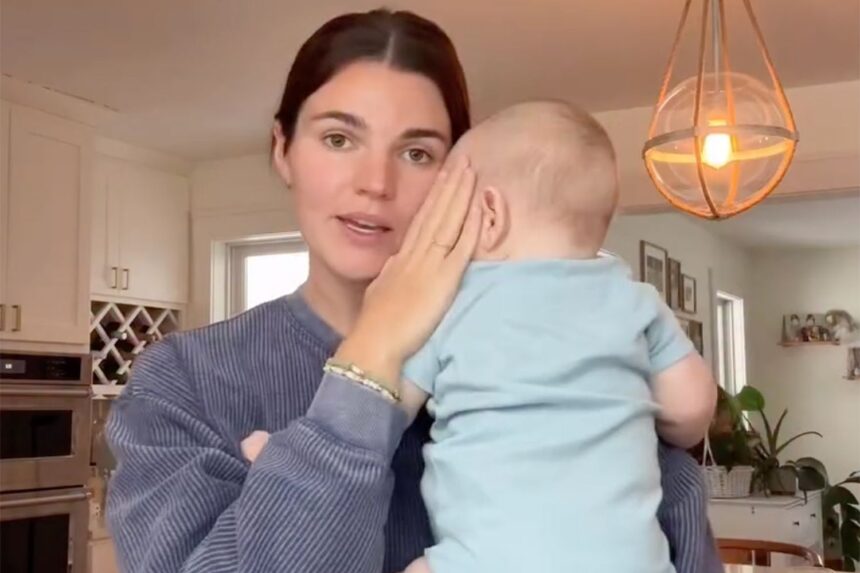
For years, millions of people have watched Maia Knight grow into motherhood in real time — from chaotic mornings with twin toddlers to the quieter moments of rebuilding her life. Now, the popular creator is drawing a clearer boundary between what she shares and what she keeps just for her family.
In a recent TikTok video, Knight told followers it was finally time to explain why she hasn’t revealed the name of her infant son, born in July 2025. The answer, she said, comes down to something simple: protecting her peace.
And after years of living much of her life online, that protection matters more than ever.
Choosing Privacy in a Very Public Life
Knight, who has built an audience of more than 7.6 million followers on TikTok and another 2 million on Instagram, said she initially wasn’t sure how much of her pregnancy or new baby she would share.
“I was kind of playing it by ear,” she explained, noting that even sharing the baby’s sex came only when she felt ready.
But revealing his name feels different. Knight described it as highly unique — something she and her husband, Jake, love — yet also something she expects would attract heavy online judgment.

The strong reactions from viewers demanding the name only reinforced her decision to keep it private.
For Knight, the choice isn’t secrecy so much as self-preservation.
A Shift After Sudden Internet Fame
Knight first rose to prominence nearly five years ago while documenting life as a single mother raising twin daughters, Violet and Scout. Her candid humor and relatable parenting moments quickly drew a massive audience.
At the time, sharing felt natural — even necessary.



But she now says rapid online fame changed how she understands visibility and vulnerability.
Social media, she said, arrived “really fast,” and while it transformed her family’s opportunities, it also came with constant scrutiny. Over time, criticism from strangers took an emotional toll.
“You’d have to be crazy not to care,” she said, reflecting on years of public commentary about her parenting and personal life.
Rethinking What Children Should Share Online
In recent years, Knight has quietly adjusted her content. Photos of her children now often show them from behind or with emojis covering their faces — a noticeable shift from earlier posts.
She admitted having regrets about how much of her children’s lives she once shared, though she stopped short of detailing them.
What she did emphasize is perspective: followers see only a tiny fraction of her reality.
Despite stepping back, she said she feels genuinely happy and grounded, describing this period as one focused on protecting her mental well-being and family life.
Sharing Joy — and Grief
Just days before discussing her privacy boundaries, Knight revealed another deeply personal moment with followers: a miscarriage at six weeks and two days of pregnancy.
In an Instagram video, she spoke candidly about beginning to bleed, visiting the emergency room, and undergoing follow-up medical testing. The experience, she said, was emotionally painful and difficult to process.
The response online was immediate and compassionate, with many followers sharing their own stories of loss and offering support.
It was a reminder of the complex relationship creators often have with their audiences — strangers who can still form meaningful communities during vulnerable moments.
Why Her Story Resonates
Knight’s evolving approach reflects a broader shift among online creators, particularly parents who built careers during the early boom of family-centered social media.
As audiences grow larger, so do questions about children’s privacy, consent, and long-term digital footprints. Many influencers are now renegotiating boundaries in public view, learning — sometimes painfully — where sharing ends and protection begins.
Knight’s message wasn’t framed as a rejection of her audience. Instead, it felt like an adjustment — a recognition that life online doesn’t have to include everything.
A Quieter Kind of Connection
Today, Knight says she’s living happily, even if followers see only about one percent of her daily life.
For someone whose rise depended on openness, that smaller window may seem like a change. But for her, it appears to be a sign of balance — a way to stay connected without giving away what matters most.
Sometimes, growing up online means learning what not to share.