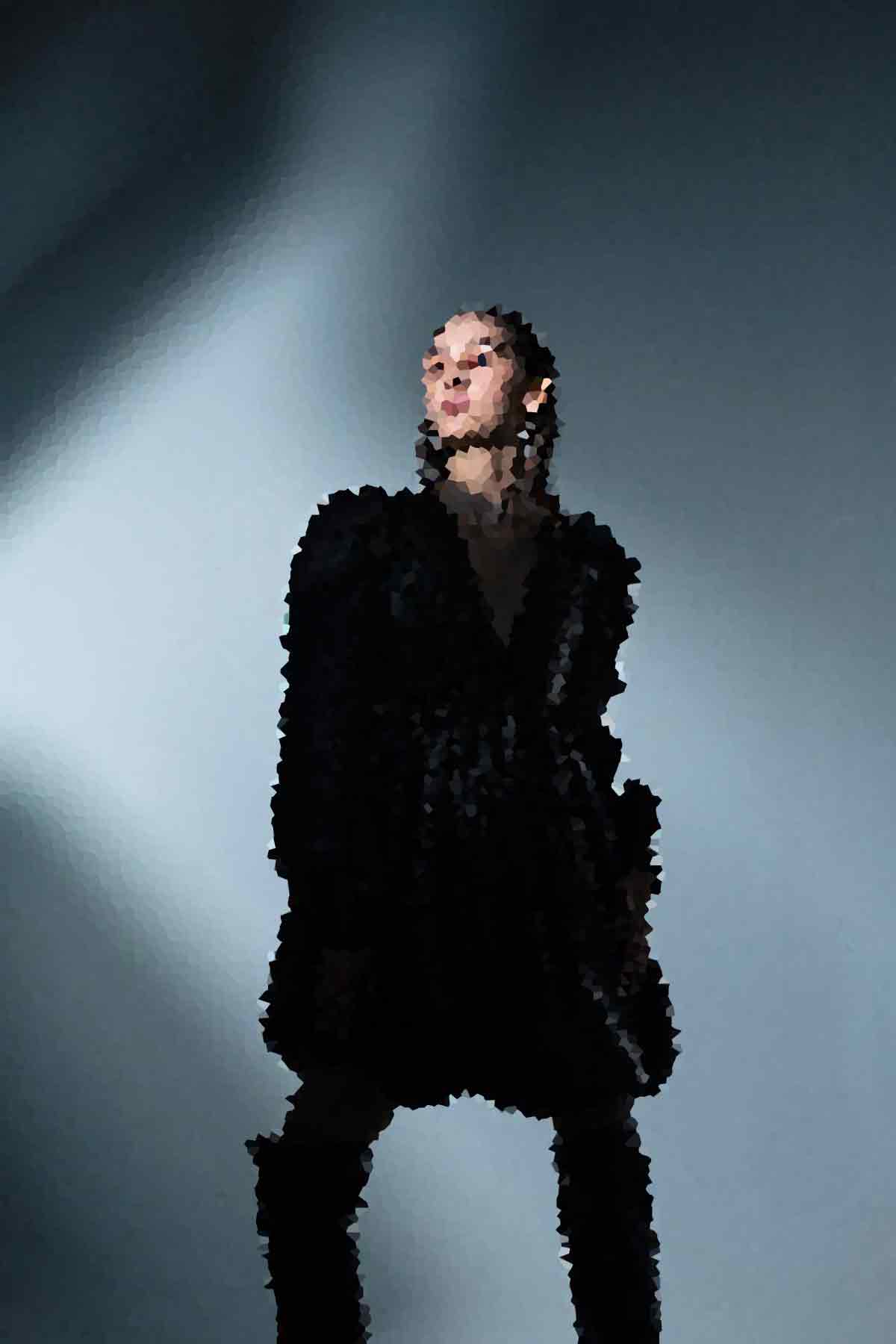






Sabrina Burlando never set out to become visible online.
For most of her life, she’d been doing the opposite.
The 19-year-old from Arizona was born with congenital ptosis, a condition that affects the muscles that lift the eyelids. It’s something she inherited from her father, diagnosed the moment she arrived.
Doctors had answers early on. What they couldn’t predict was how deeply the condition would shape her sense of self.
Growing up different — and knowing it
At age three, Burlando underwent surgery to help her blink. The procedure worked, but not in the usual way.
Her eyelids now rely on her eyebrow muscles, which gives her eyes a smaller appearance.
She remembers little about the surgery itself. What stayed with her was the fear — and later, the awareness that she looked different.
As she got older, that difference became harder to escape.
Stares turned into teasing. Teasing followed her from elementary school through high school, and eventually into the workplace.
Related News

It made her cautious around people, especially strangers. She learned to brace herself before entering new rooms, new conversations, new jobs.
The quiet weight of beauty standards
Like many young people, Burlando grew up online.
And like many, she found that social media didn’t make self-acceptance easier.
Her feeds filled with polished faces and narrow ideas of beauty. Over time, she says, those images reshaped how she saw herself.
She wanted to blend in. To be the kind of “pretty” that didn’t draw attention.
Instead, she spent years trying to hide the part of herself that stood out most.


Talking about it — out loud
In 2025, something shifted.
Burlando decided to speak openly about her congenital ptosis on TikTok. Not to go viral. Not to inspire.
She just wanted to know if anyone else out there understood.
She had never met another person with the condition outside her family. She hadn’t seen videos about it online.
So she made one herself.
She braced for criticism. It didn’t come.
What she found instead
The response surprised her. Messages poured in — from people with ptosis, from parents, from strangers who simply wanted to say thank you.
One note stood out.
A mother wrote to say she and her 13-year-old daughter both had ptosis — and had never met anyone else who did. She planned to share Burlando’s page with her daughter.
Burlando says it took her back to being 13 herself. Insecure. Isolated. Searching for something that didn’t exist yet.
In that moment, she realized she had become the person she once needed to see.
Feeling less alone, together
Opening up publicly changed more than her online experience.
It changed how she sees herself.
In a matter of days, she says, she felt more at peace with her appearance than she had in years. The same thing she once tried to hide had become a point of connection.
Now, she plans to keep sharing. Not as an advocate with a platform — but as a person telling the truth about her life.
Her hope is simple.
That kids, teens, and parents living with congenital ptosis might come across her story and feel a little less alone.
Sometimes, visibility doesn’t fix everything.
But it reminds people they were never invisible to begin with.