





When Natalie Suleman gave birth to octuplets in January 2009, the moment felt unprecedented—and overwhelming. Overnight, a private woman from Southern California became a global headline, her family life dissected in real time.
Seventeen years on, the octuplets are nearing adulthood. Their story has shifted from spectacle to something quieter, more reflective, and deeply human.
A Birth That Changed Everything
Suleman, then known publicly as Nadya, was already a mother of six when she delivered the first surviving set of octuplets conceived through IVF. Doctors had implanted 12 embryos, a decision that sparked immediate ethical debate within the medical community.
The birth captured worldwide attention. Media coverage was relentless, and the nickname “Octomom” quickly eclipsed Suleman’s own identity.
What followed was less about celebration and more about scrutiny.
Fame, Survival, and Public Judgment
With 14 children to support and few financial options, Suleman turned to a range of controversial ventures. These included adult entertainment, celebrity boxing, and efforts to monetize the “Octomom” name itself.
Related News

Public reaction was harsh and often unforgiving. The line between curiosity and condemnation blurred, and Suleman became a symbol onto which broader anxieties about parenting, fertility treatments, and personal responsibility were projected.
Behind the headlines, a family was trying to stay afloat.
Stepping Away to Protect Her Children
By around 2013, Suleman made a deliberate decision to retreat from the spotlight. She later said she became alarmed by how media attention was influencing her older children, particularly her daughter Amerah.
Life became more private and structured around routine rather than cameras. Updates, when they came, were brief and focused on school, family traditions, and milestones rather than controversy.



It was a recalibration—less noise, more normalcy.
A New Chapter at 17
Today, Suleman goes by Natalie and lives largely outside public view. She is also now a grandmother after her son Joshua welcomed a daughter, adding a new generation to the once-unimaginable family tree.
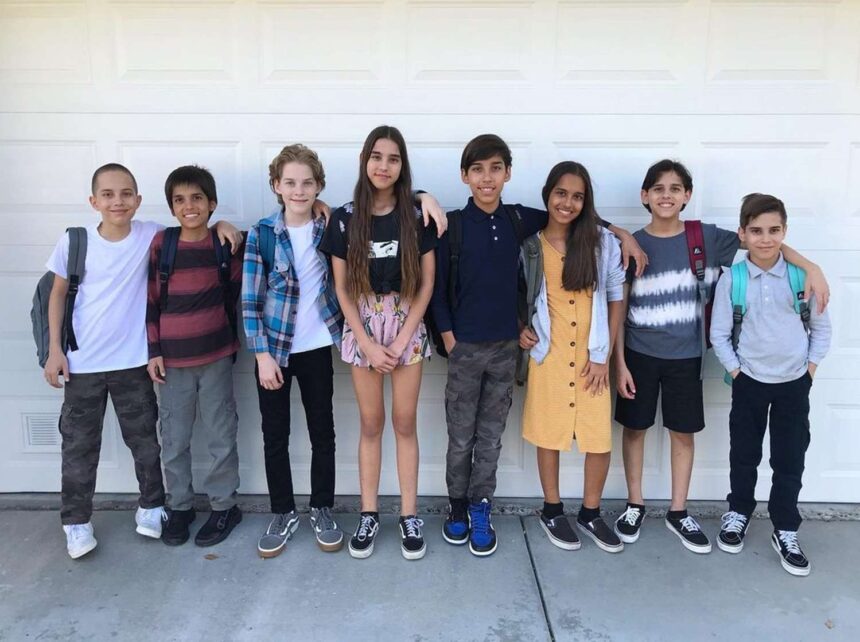
The octuplets—Noah, Isaiah, Jeremiah, Jonah, Josiah, Makai, Maliyah, and Nariyah—turn 17 on January 26, 2026. The children once introduced to the world as a medical marvel are now teenagers, navigating exams, friendships, and independence.
Their birthdays arrive not with flashbulbs, but with perspective.
Why the Story Still Resonates
Suleman’s story endures because it sits at the intersection of modern medicine, media culture, and family life. It raises lasting questions about how far fertility treatments should go, and what happens when deeply personal decisions become public property.
It also highlights something simpler: how difficult it is to grow up under a label you didn’t choose.
Nearly two decades later, the most striking part of the story isn’t the number of children or the controversy that followed—it’s the quiet persistence of a family that kept going after the cameras left.