





Elite sport can be lonely. Training schedules collide with time zones, seasons blur together, and pressure follows athletes home.
So it’s no surprise that, for some Olympians heading to Milan in 2026, love has been found in someone who truly understands that life. This Winter Games will feature an unusually visible group of couples — married, engaged, or long-term partners — competing on the same ice, snow, or sometimes even against each other.
Together, they offer a softer counterpoint to the medals and margins.
Partners on the ice — and in life
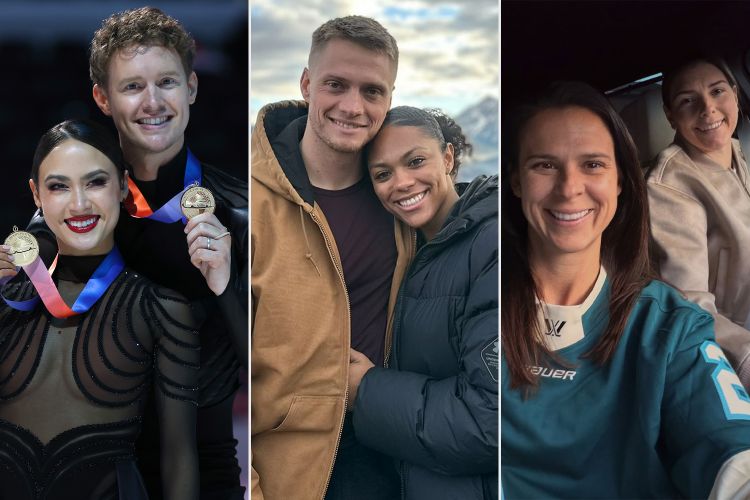
Few Olympic relationships are as intertwined as Madison Chock and Evan Bates. Ice dance partners since 2011, they married in 2024 and will return to the Games for the fourth time.
Their careers have grown alongside their relationship, with skating becoming less about proving something and more about moving through life together — a rare continuity in an often-unstable profession.
Italy will see another long-standing duo on home ice. Charlène Guignard and Marco Fabbri, a couple for nearly two decades, will represent their country as ice dancers, blending personal trust with technical precision.
Related News

Love across disciplines
Some couples compete side by side without sharing a sport.
Speedskater Brittany Bowe and ice hockey star Hilary Knight met during the pandemic-era Beijing Games in 2022. While they’ll represent Team USA in different events in Milan, the shared rhythm of elite competition has shaped their bond. For Knight, these Games are expected to be her last.
Paralympians Oksana Masters and Aaron Pike bring a similar energy to Para Nordic skiing. Fiercely competitive with each other, they’ve spoken openly about future wedding plans — and about how mutual understanding fuels their drive.
When competition comes home
Not all Olympic couples cheer from the same start gate.



Skeleton athletes Nicole Silveira of Brazil and Kim Meylemans of Belgium, married in 2025, will race against each other — a reminder that love doesn’t cancel ambition. Meylemans has credited her wife as essential to her success, even when that success comes at another’s expense.
Luge athletes Emily Sweeney of the United States and Dominik Fischnaller of Italy will also represent different nations, navigating the rare experience of shared Olympic villages but separate flags.
And in hockey, Ronja Savolainen and Anna Kjellbin often find themselves literal opponents — partners at home, rivals on the ice.
Families built around sport
Some couples arrive in Milan not just as athletes, but as parents.
Freestyle skiers Ashley Caldwell and Justin Schoenefeld, married with a young child, will defend their Olympic gold in mixed team aerials. Curlers Brett Gallant and Jocelyn Peterman, also married, credit the introduction of mixed doubles to the Olympics for bringing them together in the first place.
Norwegian curlers Magnus Nedregotten and Kristin Skaslien have already proven how powerful that format can be, earning two Olympic medals together and redefining partnership as both strategy and trust.
Why these stories resonate
The Olympics are built on extremes — faster, higher, stronger.
But these couples highlight something quieter: the emotional infrastructure behind performance. Shared schedules, shared stress, shared resilience. For many viewers, their stories mirror everyday relationships where work, ambition, and love are constantly negotiated.
At the highest level of sport, success is rarely solitary.
Sometimes, it’s built two by two — carving tracks through the snow, side by side.