





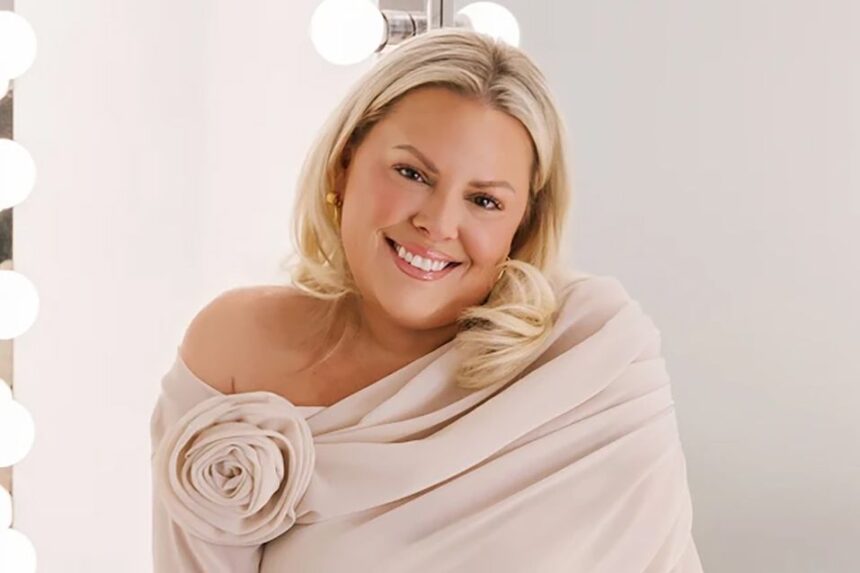
Selena Marchand has spent more than two decades watching people see themselves differently in the mirror. As a makeup artist, she’s helped hundreds of brides prepare for one of the most photographed days of their lives.
Lately, though, she’s noticed a new challenge creeping into the makeup chair — not nerves or time pressure, but artificial intelligence.
When inspiration stops being realistic
Marchand, 41, says many clients now arrive with inspiration saved from Pinterest and social media that simply isn’t real. AI-generated faces, she explains, often look flawless in ways that no human skin can replicate.
The problem isn’t that the images are beautiful. It’s that they quietly set expectations that makeup alone can’t meet.
Related News
Marchand says she understands the temptation. These images are everywhere, and they’re designed to look convincing. But she warns that copying them can leave clients disappointed before the day even begins.
Choosing faces that actually resemble yours
Instead of relying on AI imagery, Marchand encourages brides to look for real people with similar coloring and features — skin tone, hair color, eye color, and overall facial structure.
A makeup look that works on one face won’t automatically translate to another. Much of what people admire in an image is often the model’s natural bone structure, not the makeup technique itself.
Focusing on application and color choices, she says, leads to better results and fewer surprises.
The myth of “natural” makeup online
Another issue Marchand regularly encounters is confusion around what “natural” makeup actually means. Many online images labeled as effortless or minimal involve layers of product and professional lighting.
Clients sometimes assume they need that same level of coverage to look good in photos. Marchand pushes back on that idea.



She tells brides that looking good in person almost always translates well on camera. Wearing far more makeup than usual can leave someone feeling unlike themselves — especially during an emotional, high-pressure day.
Why comfort matters more than trends
Marchand says her goal is never to transform someone into a different version of themselves. During makeup trials, she spends time asking detailed questions about what clients like, what makes them feel confident, and where their comfort zone truly is.
Those conversations help adjust expectations early, long before the wedding morning arrives. When it works, she says, the result is visible not just in photos, but in how someone carries themselves.
Seeing clients relax, smile, and sometimes even cry with relief remains the most rewarding part of her job.
Behind the scenes of wedding mornings
The work isn’t without its challenges. Large bridal parties can bring clashing personalities, tight timelines, and heightened emotions. Marchand says navigating those dynamics has become a skill of its own.
Still, she believes the payoff outweighs the stress — especially when she can help someone feel like the best version of themselves, not a filtered one.
As AI-generated beauty becomes more common online, Marchand’s advice is simple: trust real faces, real skin, and what makes you feel like you.