





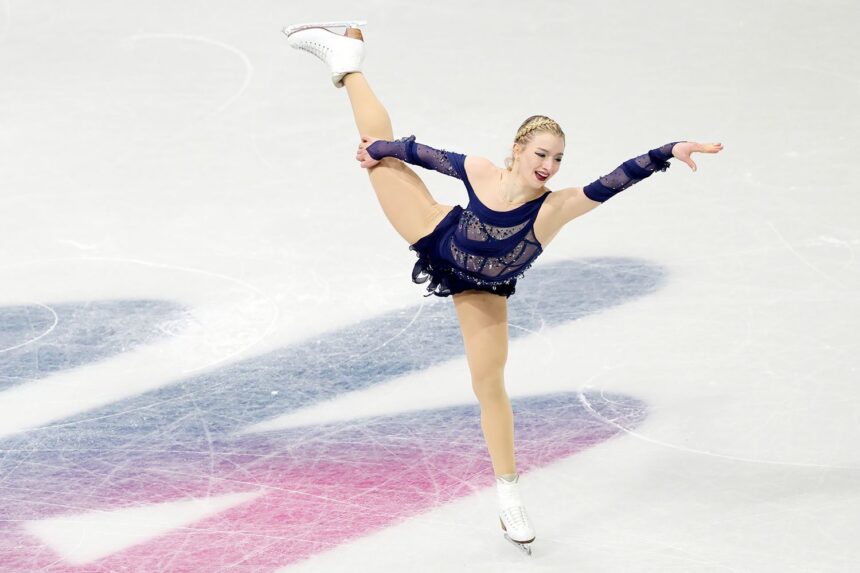
When Amber Glenn stepped onto the ice in Milan, it was a career-defining moment.
The 26-year-old skated with calm focus, her routine helping lift Team USA to gold at the 2026 Winter Olympics.
But within hours of the celebration, a different conversation began unfolding online — one about music, permission, and how creative work travels on the world’s biggest stage.
A song, a skate, and a public question
Canadian musician Seb McKinnon took to X after learning that Glenn had skated to his song, The Return, during the Olympic team event on Feb. 8.
In his post, McKinnon said he hadn’t given direct permission for the track to be used and wondered aloud whether this was standard practice for the Olympics, given the global broadcast.
The post quickly gained attention, touching a nerve at the intersection of art, sport, and copyright.
How Olympic music licensing actually works
As details emerged, reporting clarified that figure skaters themselves are responsible for ensuring their music meets copyright requirements.
Related News

In Glenn’s case, The Return was not new to her Olympic program. She has reportedly used the same piece for her free skate for the past two years, including at other international competitions.
McKinnon later acknowledged that Olympic performances may fall under broader broadcast licensing rules — closer to radio play — rather than individual synchronization licenses that require direct artist approval.
It was a learning moment, he said, and one that helped clarify how his own label agreements work.
From frustration to support
What began as confusion softened into something warmer.



In a follow-up message, McKinnon congratulated Glenn on her gold medal win and expressed public support for the young skater, signaling there was no lingering dispute between them.
Neither Olympic officials nor representatives for Glenn or McKinnon immediately responded to media inquiries.
The wider pressures on Olympic skaters
For Glenn, the moment arrived during an already intense Olympic spotlight.
She made history in Milan as the first openly queer woman to represent the United States in Olympic figure skating. In the days leading up to the Games, she spoke candidly about the challenges facing the LGBTQ community, describing it as a “hard time.”
Soon after, Glenn said she received a disturbing number of threats and hostile messages online — a reminder that athletic achievement doesn’t shield athletes from broader cultural tensions.
Not an isolated issue
Music clearance problems are nothing new in elite figure skating.
Just days before the Milan Games began, Spanish skater Tomàs-Llorenç Guarino Sabaté revealed that his planned program music had been pulled over copyright concerns, despite being used throughout the season. Approval was later reinstated, but only after last-minute stress.
The episodes highlight how complicated — and fragile — music licensing can be at the Olympic level.
Why this story resonates
At its heart, this isn’t just about a song or a skate.
It’s about how creative work moves through massive institutions, how quickly misunderstandings can go public, and how athletes and artists alike navigate systems that weren’t built with simplicity in mind.
In the end, a moment that began with uncertainty settled into mutual respect — a quieter resolution than the internet often allows.