





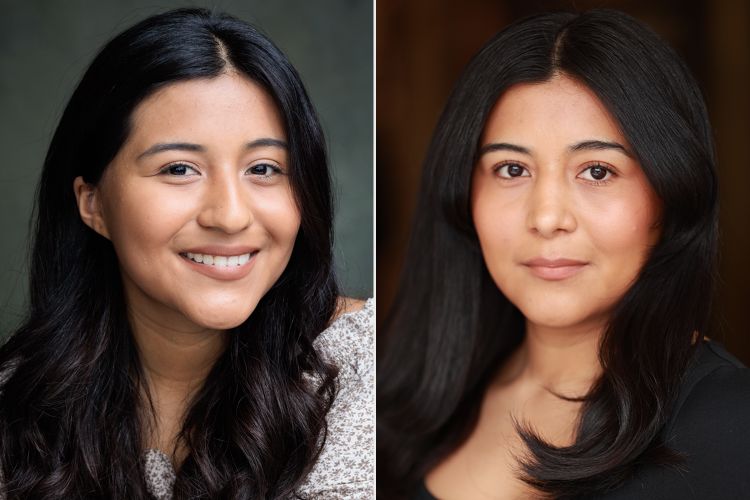
For years, Brenda Anguiano believed one small change could quiet a lifelong insecurity. Like many people who consider cosmetic procedures, she wasn’t looking to become someone new — just a slightly more confident version of herself.
At 23, and newly navigating life as a mother of two, she decided to undergo rhinoplasty, hoping minor refinements to her nose would help her feel more at peace with her appearance.
Instead, the experience led her into an emotional journey she says she never anticipated — one she is now sharing publicly in hopes others approach similar decisions more carefully.
A decision rooted in self-confidence
Anguiano says her goal was modest. She wanted to smooth a slight curve in her nose while keeping its natural shape and character intact.
The intention, she later explained, was subtle improvement rather than transformation. She expected to look largely the same — only more comfortable in her own skin.
But when the surgical cast was removed, her reaction surprised her.
Related News

She recalls feeling immediate shock, describing the moment as deeply unsettling. Rather than relief or excitement, she felt disconnected from the reflection staring back at her.
When physical healing isn’t the hardest part
While she had prepared for swelling, recovery time, and physical discomfort, Anguiano says she was unprepared for the psychological impact that followed.
In the weeks after surgery, she cried frequently and avoided mirrors. She described entering a period of depression and feeling as though she was grieving a version of herself she could not recover.
More than dissatisfaction with aesthetics, she says the experience triggered what felt like an identity shift — the disorienting feeling of living in a face that no longer felt familiar.



Four years later, she says acceptance has come slowly, unevenly, and with emotional work she never expected to undertake.
Sharing regret — carefully and publicly
On Feb. 9, Anguiano posted an Instagram Reel explaining her experience and regret. She stressed that her intention was not to discourage cosmetic surgery altogether.
Instead, she urged people considering procedures to research surgeons thoroughly, ask detailed questions, and ensure expectations are clearly aligned before moving forward.
She also reflected on wishing she had chosen a surgeon with more experience working with ethnic nose structures — something she now sees as an important part of achieving natural-looking results.
Her message resonated widely online, where conversations about cosmetic procedures increasingly include emotional outcomes alongside before-and-after images.
Rethinking beauty and self-talk
Looking back at old photographs has been one of the most difficult parts of the process, she says. What once felt like flaws now appear differently to her — prompting a painful realization that she had been overly critical of herself.
The experience has reshaped how she speaks to her children about appearance and confidence. She says she now makes a conscious effort to reinforce the idea that they do not need to change themselves to feel worthy.
In that way, the lesson has extended beyond her own reflection in the mirror and into daily family life.
Why her story resonates now
Cosmetic surgery has become increasingly normalized, often framed through quick transformations and positive outcomes shared online. Yet Anguiano’s experience highlights a quieter side of the conversation: the emotional adjustment that can follow physical change.
Experts frequently note that satisfaction with cosmetic procedures depends not only on surgical skill but also on expectations, communication, and psychological readiness — factors that are harder to measure than physical results.
Her story reflects a broader cultural moment in which discussions around beauty are shifting from perfection toward self-acceptance, and from transformation toward intention.
For Anguiano, the journey hasn’t been about reversing a decision — but learning to live with it, understand it, and speak about it honestly.
And in sharing that vulnerability publicly, she has turned a private regret into a conversation many people quietly recognize in themselves.