





What began as a routine awards presentation at this year’s BAFTA Awards quickly turned into one of the ceremony’s most talked-about moments — and one that has since prompted reflection far beyond the red carpet.
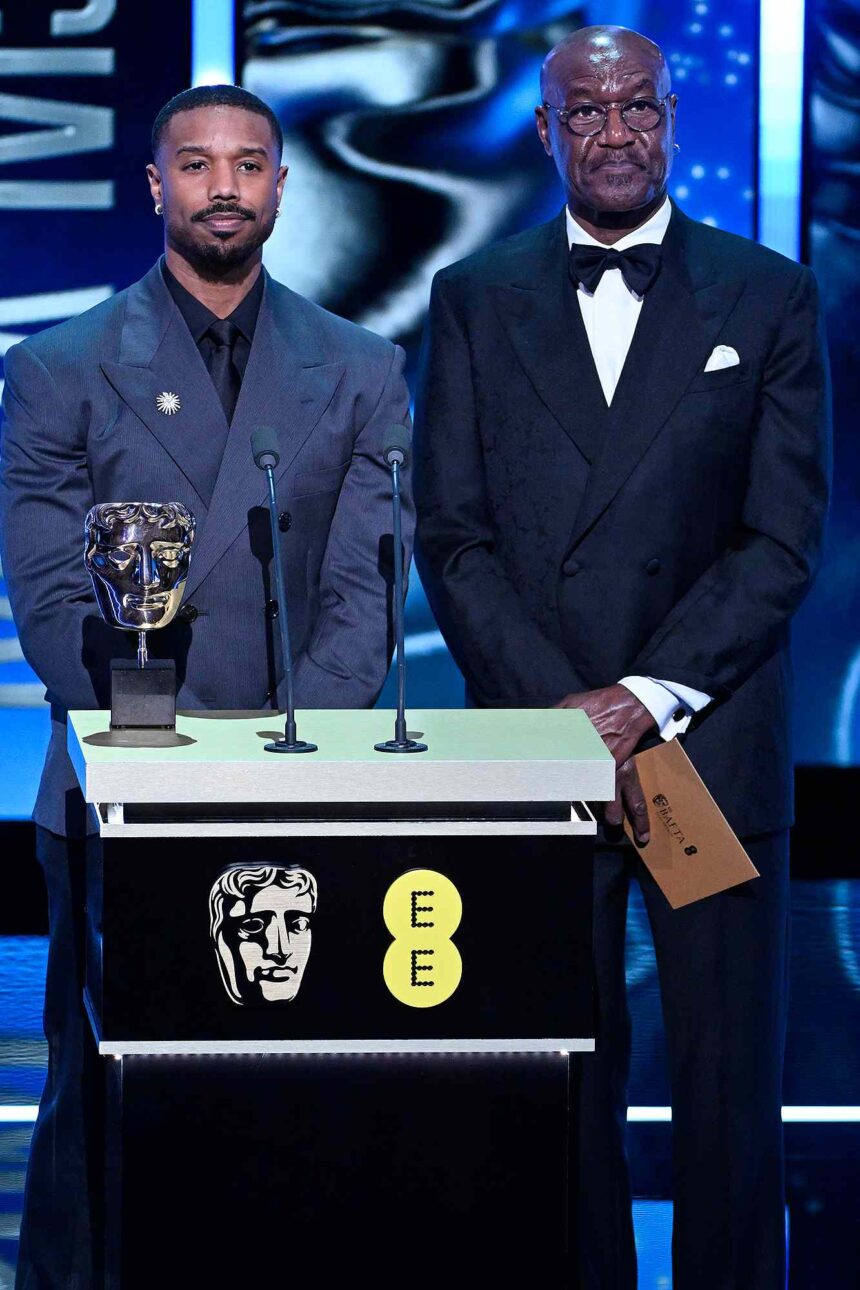
Actors Delroy Lindo and Michael B. Jordan were onstage presenting an award on Feb. 22 when a racial slur was shouted from the audience. The word, audible during the broadcast, came from Tourette syndrome advocate John Davidson, who later said it was the result of an involuntary verbal tic.
In the days that followed, the incident evolved into a broader conversation — not only about harm and accountability, but also about how neurological conditions are understood in public spaces.
A Moment That Shouldn’t Have Aired
Davidson had attended the ceremony as a guest connected to the BAFTA-nominated film I Swear, which is based on his life and experiences living with Tourette syndrome, a neurological condition that can cause sudden, uncontrollable movements or speech.
Despite a broadcast delay, the slur was not removed from the televised version shown on BBC One, prompting swift backlash and confusion among viewers.
Both the British Academy of Film and Television Arts and the BBC issued public apologies, acknowledging the failure to edit the moment before airing. The clip was later removed from BBC iPlayer.
Related News

The organizations also praised Lindo and Jordan for maintaining professionalism during the unexpected interruption.
In interviews afterward, Davidson said he personally reached out to apologize to Lindo, Jordan, and production designer Hannah Beachler. He described feeling deep distress over the incident, explaining that socially unacceptable words can sometimes emerge as involuntary tics.
He also questioned whether more precautions could have been taken, noting that organizers and partners, including StudioCanal, were aware of his condition ahead of the ceremony.
Medical experts often emphasize that Tourette-related vocalizations are not intentional speech — a distinction that can be difficult for audiences to process in emotionally charged moments, especially when broadcast live.



Less than a week later, the conversation shifted tone at the NAACP Image Awards.
Appearing onstage with director Ryan Coogler, Lindo thanked supporters who had reached out following the controversy, describing the experience as an example of something painful giving way to unity and encouragement.
Actress Regina Hall also publicly expressed support for both actors during the ceremony, drawing a standing ovation from the audience — a moment that underscored how the industry had rallied around them.
In a later interview with Vanity Fair, Lindo added that he wished representatives from BAFTA had spoken with him and Jordan immediately after the incident, suggesting that personal acknowledgment might have helped ease the aftermath.
The episode struck a nerve because it sits at the intersection of several sensitive realities: racism, disability awareness, and the responsibility of broadcasters in live entertainment.
For many viewers, the incident became a reminder of how quickly public moments can spiral — and how complex intent can be when medical conditions are involved.
It also highlighted a growing expectation that large televised events anticipate accessibility and safeguarding challenges, especially when participants’ medical needs are known in advance.
At the same time, public reactions showed a willingness to hold two truths at once: recognizing the hurt caused by a racial slur while acknowledging the neurological condition behind it.
Awards shows are often designed to celebrate perfection — polished speeches, rehearsed timing, predictable outcomes. But this moment revealed something less controlled and more human.
An unexpected interruption became a conversation about empathy, preparation, and how communities respond when harm and misunderstanding collide.
In the end, what lingered wasn’t just the disruption itself, but the response afterward — apologies offered, support expressed, and a shared effort to turn discomfort into understanding.
Sometimes the most lasting moments from a stage are not the awards handed out, but the reminders of how people choose to treat one another when things don’t go as planned.