





Royal Ascot is usually one of the British royal family’s most relaxed public traditions — a place of bright hats, carriage processions, and familiar faces returning each summer.
But this year, two of those familiar figures are expected to be missing.
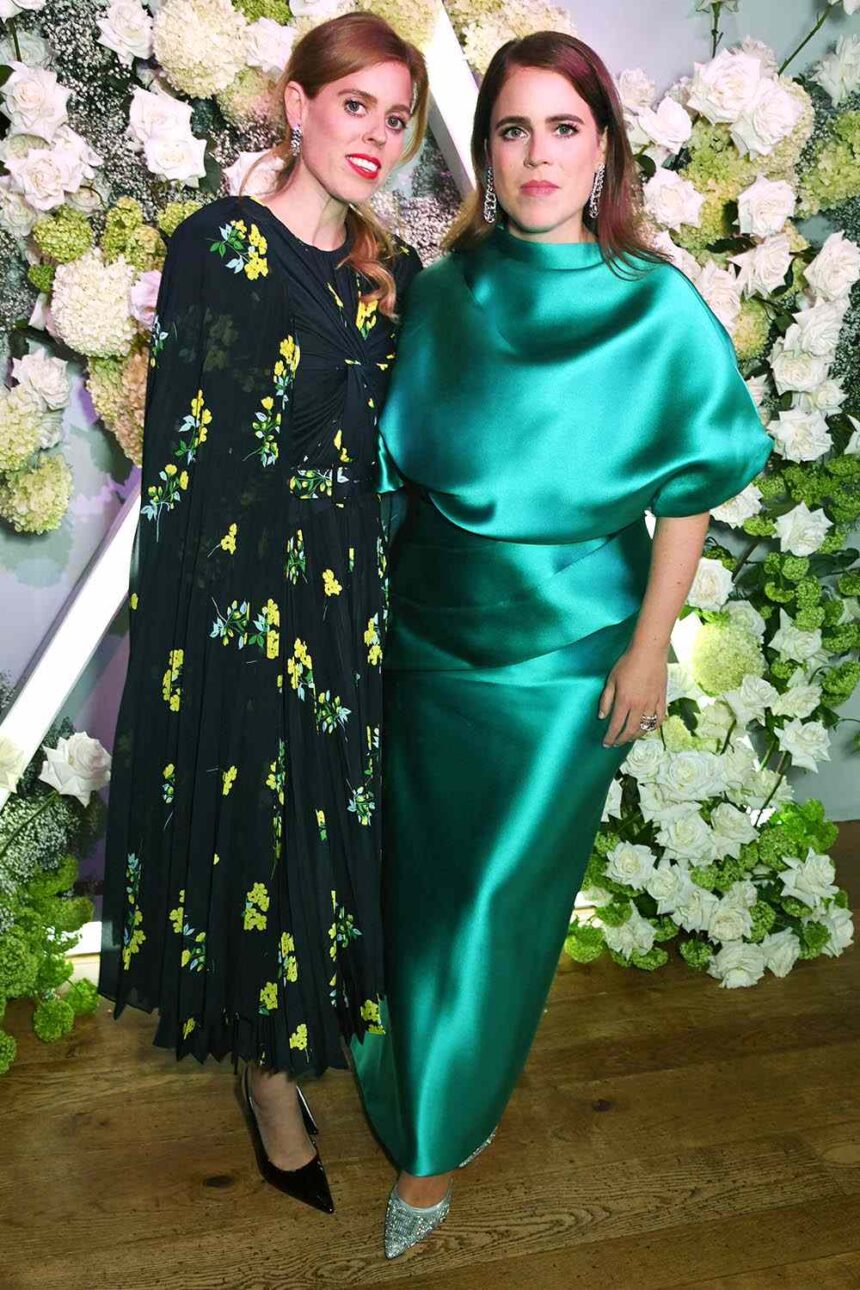
According to reports, Princess Beatrice and Princess Eugenie will not attend the 2026 Royal Ascot or take part in the ceremonial royal procession, a decision said to be connected to renewed scrutiny surrounding their parents, Prince Andrew and Sarah Ferguson.
Royal Ascot has long served as both a sporting event and a carefully staged display of royal continuity. Senior and extended family members typically appear together, reinforcing an image of unity.
The reported exclusion of Beatrice, 37, and Eugenie, 35, marks a noticeable shift. A source cited in media reports said the sisters were informed they would not attend this year, adding that Beatrice was particularly taken aback by the decision.
Neither Buckingham Palace nor representatives for the sisters have publicly confirmed the report.
Related News

The situation cannot be separated from the ongoing controversy surrounding their father, Prince Andrew.
The Duke of York withdrew from public duties in 2019 following a widely criticized BBC interview addressing his relationship with financier Jeffrey Epstein, who died by suicide that same year while awaiting trial on sex-trafficking charges in the United States.
Andrew has repeatedly denied wrongdoing, including allegations brought by Epstein accuser Virginia Giuffre, who said she was forced into sexual encounters with him as a teenager. The case was settled out of court without an admission of liability.
In January 2022, Queen Elizabeth II removed Andrew’s military affiliations and royal patronages after a judge allowed Giuffre’s civil lawsuit to proceed. Later developments — including renewed attention following Giuffre’s posthumous memoir — led King Charles to strip Andrew of remaining royal titles and honors.



More recently, reports say Andrew was detained for questioning for several hours in February on suspicion of misconduct in public office, intensifying public scrutiny once again.
Prince Andrew’s former wife, Sarah Ferguson, has also faced renewed attention after appearing in documents released by the U.S. Department of Justice related to Epstein.
The records reportedly included emails in which Ferguson sought financial assistance and professional opportunities linked to Epstein during periods of financial difficulty. She has since maintained a relatively low public profile and is said to be spending time abroad following Andrew’s latest legal troubles.
For Beatrice and Eugenie, the controversy presents a complicated reality: balancing loyalty to family with the expectations attached to royal appearances.
Both sisters have largely avoided official royal roles in recent years, focusing instead on private careers and raising young families. Friends reportedly say their priority has been shielding their children from intense public scrutiny.
Their absence from Royal Ascot reflects how reputational consequences within the monarchy often extend beyond the individuals directly involved.
The British royal family has spent the past several years attempting to modernize its public image while managing repeated crises. Decisions about who appears at highly visible events carry symbolic weight, signaling institutional boundaries as much as personal ones.
In this case, the reported move suggests the monarchy remains cautious about public associations tied to unresolved controversy — even when it affects younger generations who were not directly involved.
For observers, the story is less about a single event and more about how legacy, reputation, and family ties continue to shape royal life in quiet but consequential ways.
And at an event defined by tradition, absence can sometimes speak louder than presence.