






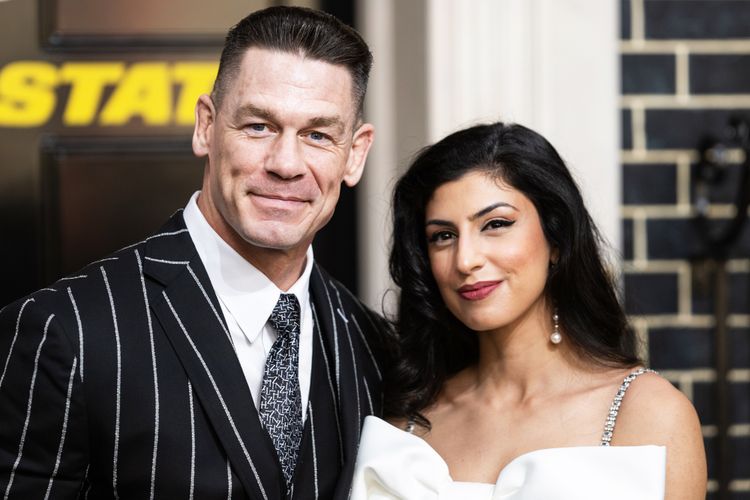
For years, John Cena lived a life measured in flights, filming schedules, and packed arenas. His time was split between wrestling, acting, and public appearances—often all at once.
Now, at 48, that pace has shifted.
After stepping back from full-time competition in WWE, Cena says he’s finding something that once felt out of reach: time. Time for family, for reflection, and for a different kind of work that isn’t tied to the roar of a crowd.
A Life Still in Motion
Retirement, in Cena’s case, doesn’t mean slowing down entirely.
He’s preparing to host WrestleMania 42, filming a romantic comedy for Netflix, and working with Chime on a financial literacy initiative.
But the rhythm is different now. Less constant travel, fewer competing demands at once.
Related News

Cena admits he misses the ring. Still, he speaks about this period as a transition rather than a loss—one chapter closing, another beginning without a clear script.
Lessons From an Earlier Life
Long before the spotlight, Cena’s relationship with money was shaped by uncertainty.
He has spoken openly about a time when he lived out of his car, surrounded by people who struggled financially and lacked access to basic financial education. That experience, he says, still informs how he thinks about money today.
It’s part of why he’s taken a hands-on role in helping his own family. Over time, he’s worked with his brothers, parents, and extended relatives to build stronger financial habits.



One recent conversation stood out. A brother told him he simply wanted to be happy—but couldn’t define what that meant. For Cena, it reflected a broader issue: many people chase financial security without a clear sense of what “enough” looks like.
A Partnership With Purpose
His collaboration with Chime builds on that idea.
Rather than focusing on wealth, Cena has been emphasizing clarity—understanding money as a tool rather than a goal in itself. The aim, he says, is to help people feel a sense of stability, even if that looks different for each person.
It’s a quieter kind of advocacy than his wrestling persona might suggest, but one rooted in personal experience.
Rediscovering Time Together
Away from the spotlight, the biggest change may be at home.
Cena says his relationship with his wife, Shay Shariatzadeh, once felt stretched thin by competing schedules. With fewer overlapping commitments, they’ve begun to rebuild simple routines.
Mornings now start with coffee and conversation. Evenings, when possible, end with shared meals or a drink—small rituals that create space to connect.
They also journal together, reflecting on their days and plans. It’s a slower, more deliberate rhythm than the one Cena was used to.
Why This Shift Resonates
Cena’s transition mirrors something many people recognize, even outside celebrity life.
There’s a point when success, however it’s defined, starts to compete with time itself. Careers expand, responsibilities multiply, and relationships can quietly move to the background.
What stands out in Cena’s story isn’t just the career change, but the recalibration—choosing where attention goes when time becomes less scarce.
A Different Kind of Strength
For much of his career, strength meant endurance, discipline, and performance.
Now, it seems to mean something else: presence, patience, and the ability to step back without losing direction.
There’s no dramatic reinvention here. Just a gradual shift toward what matters, shaped by experience and a bit more space to notice it.