



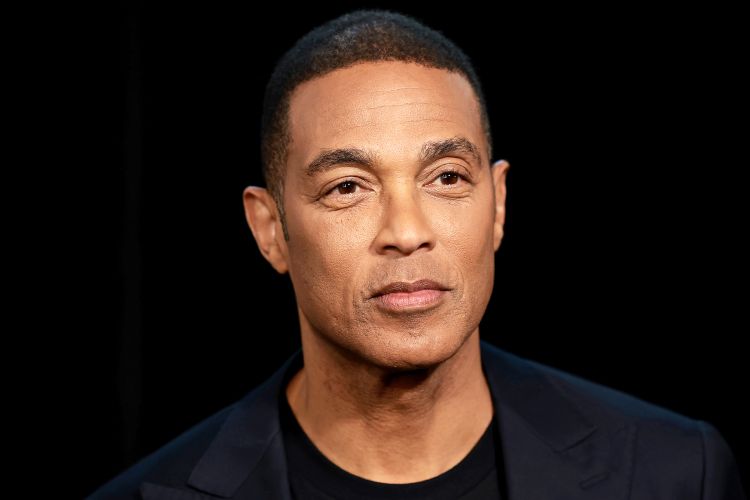
Don Lemon was in Los Angeles to do what he’s done for decades: cover a major cultural event. Instead, his trip to report on the Grammy Awards ended with federal agents taking him into custody just before midnight.
The arrest came suddenly, but for Lemon, it wasn’t entirely unexpected. A week earlier, he had publicly wondered whether this moment was coming.
A Prediction That Turned Real
On Jan. 23, during an interview with Scripps News’ Alisyn Camerota, Lemon spoke candidly about a judge’s decision to reject the Justice Department’s initial attempt to indict him.
He said he didn’t believe the matter was over. Even if the law didn’t support the case, he suggested, prosecutors might keep trying.
Seven days later, federal agents arrested him in Beverly Hills under a warrant issued in another district.
What the Case Is About
The arrest stems from a protest held on Jan. 18 at a church in St. Paul, Minnesota. Demonstrators interrupted a religious service, chanting “ICE out” to oppose federal immigration enforcement.

Prosecutors allege that Lemon violated a federal law designed to protect the right of people to worship without interference.
Lemon disputes that claim. He says he was at the church in his role as a journalist, documenting the protest rather than participating in it.
“I Was Not a Protester”
Lemon has been clear about how he sees his role that day. He says he was reporting, not chanting, organizing, or disrupting the service.
His attorney, Abbe Lowell, described the arrest as a threat to press freedom, arguing that Lemon’s actions fall squarely under First Amendment protections.


Lemon has also suggested that his visibility made him a convenient target. Being the most recognizable person at the scene, he said, may have drawn prosecutorial attention.
The Government’s Line
Justice Department officials say the case is not about journalism, but about conduct. They’ve stated they intend to prosecute individuals who cross the line from protected speech into unlawful action.
Where that line sits—and who gets to define it—is now central to the dispute.
The federal magistrate judge who initially reviewed the case had already concluded that the government lacked sufficient grounds, a point Lemon referenced before his arrest.
A Tense National Backdrop
The case is unfolding during an aggressive federal immigration crackdown under President Donald Trump’s administration, a period marked by heightened enforcement and growing public protests.
In Minneapolis, tensions remain especially high. Two U.S. citizens—Renee Nicole Good and Alex Pretti—were fatally shot by federal immigration agents earlier this month, deepening fear and anger in the community.
Against that backdrop, even routine protest coverage carries added risk and scrutiny.
Why This Story Resonates
This isn’t just about one journalist or one protest. It’s about where journalism ends and criminal liability begins when reporters work in volatile public spaces.
For many Americans, the case raises uncomfortable questions. Can journalists safely cover protests without fear of arrest? And how much discretion should the federal government have when enforcing laws in politically charged moments?
Those questions now sit squarely in the public eye, following Don Lemon from a church in Minnesota to a late-night arrest in California.
A Quiet, Unsettled Ending
Lemon has spent much of his career scrutinizing power from the outside. Now, he finds himself entangled in a legal process that may test the boundaries of press freedom itself.
As the case moves forward, it leaves behind an uneasy feeling—one shared by journalists, activists, and ordinary observers alike—about how fragile those boundaries can feel in times of national strain.