






By the time the sun rose on Saturday morning, most of the world was just beginning its day.
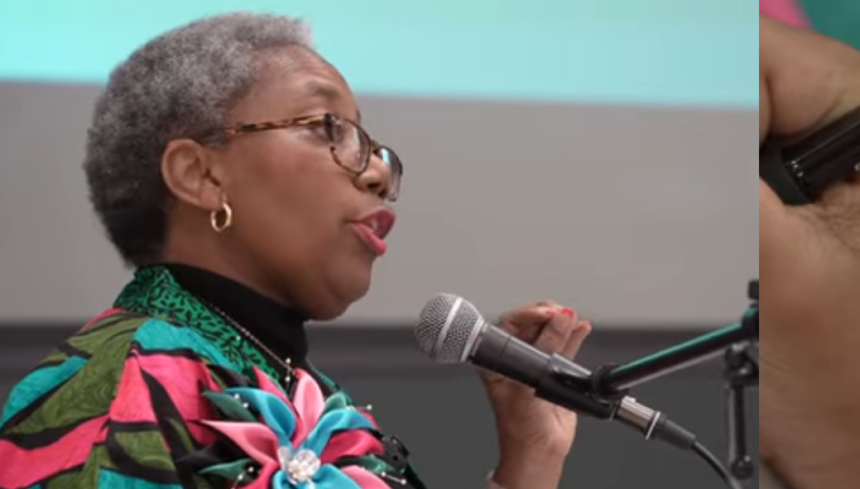
Inside a church in Philadelphia, two women were still teaching.
For 33 consecutive hours, Anita Lewis and Gwendolyn Ebron stood before an audience at Enon Tabernacle Baptist Church, guiding listeners through 5,000 years of African and African-American history — all in an effort to break a world record.
A Marathon of Memory
The teaching marathon began on Feb. 27 and stretched into Feb. 28, closing out Black History Month in a way few could forget.
Lewis and Ebron were attempting to surpass the Guinness World Record for the Longest History Lesson — 26 hours and 34 minutes — set in 2018 at the University of North Texas, according to Guinness World Records.
But this wasn’t just about endurance.
Related News

It was about telling a story that spans millennia — from ancient African civilizations to the modern civil rights movement and beyond.
To qualify, the pair had to teach continuously, allowed only a five-minute break each hour. That meant pacing themselves carefully, maintaining energy, and keeping their audience engaged deep into the night.
The Idea After a Doctorate
The spark for the attempt came after Lewis earned her doctorate. She found herself asking what might come next.
A world record wasn’t an obvious answer. But the more she thought about it, the more it felt meaningful — especially if the focus was Black history.



Through Urban Intellectuals, an organization dedicated to sharing positive Black history and culture, Lewis connected with Ebron. The two began shaping a lesson that could stretch not just hours, but thousands of years into the past.
There was more to prepare than slides and speeches. Guinness guidelines required a certified timekeeper, official witnesses, and meticulous documentation. Every minute had to be accounted for.
The entire event was streamed online, expanding the classroom beyond the church walls. Afterward, the evidence was submitted for official review.
More Than a Record
For those in attendance, the atmosphere felt less like a competition and more like a communal experience.
At one point, an audience member stood and said, “When I see their strength, I see me.”
That sense of reflection — of recognizing oneself in history — seemed to capture the spirit of the event.
Ebron later described the effort as “a reclamation,” a way to honor the brilliance, resilience, and global impact of African people across generations.
Why It Resonates
In many schools, history lessons are compressed into semesters, sometimes reduced to brief chapters. A 33-hour deep dive pushes against that limitation.
It suggests that some stories deserve time — real, sustained attention.
And there’s something quietly powerful about two educators choosing stamina as their statement. Not through spectacle, but through steady teaching.
Whether Guinness certifies the record or not, the message has already landed: history isn’t just something to learn during one month of the year. It’s something to carry forward.
As the final hours ticked by inside that Philadelphia church, the lesson felt less about the clock — and more about continuity.