





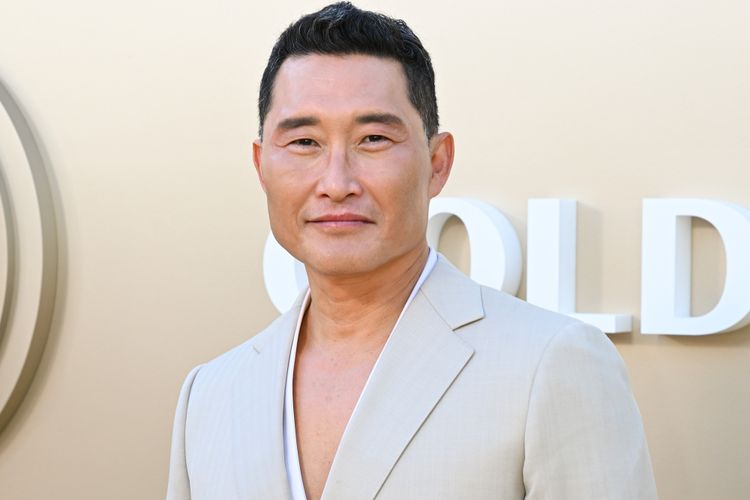
More than a decade after Lost aired its famously divisive finale, Daniel Dae Kim is still speaking about the series with warmth.
At the recent Gold Gala in downtown Los Angeles, the actor reflected on the show that transformed his career and connected him to a cast he still considers family. His comments arrived years after former writers and actors publicly raised concerns about alleged racism, sexism, and toxic working conditions behind the scenes.
Kim did not dismiss those conversations. But he also made clear that his own memories of the experience remain deeply personal — and largely positive.
“I have nothing but affection” for the show, he said during the event.
A complicated legacy for a television phenomenon
When Lost premiered in 2004, it quickly became one of television’s defining dramas. The mystery-heavy series drew millions of viewers each week and helped shape the binge-watch culture that would later dominate streaming television.
For Kim, who played Jin-Soo Kwon, the series marked a major turning point.
Related News

He said the show opened doors that no other role had before, adding that he doubts he would have the career he has today without it. At the time, Asian actors rarely received the kind of visibility and layered storytelling that Lost offered its ensemble cast.
Still, the show’s reputation became more complicated in later years.
In 2023, a widely discussed exposé published by Vanity Fair featured allegations from former writers and cast members who described the production environment as hostile and exclusionary. Some accused senior figures connected to the show of fostering toxic workplace dynamics.
Kim acknowledged those reports during his recent appearance, saying there were “difficulties” on the series. He also noted that he was unaware of many of the alleged issues while filming was underway.
Related News



His response reflected a balance many longtime television actors now face: holding affection for the work itself while recognizing painful experiences others may have had around it.
The friendships that lasted
Despite the years that have passed, Kim said he still keeps in close contact with several of his former castmates.
He mentioned regular conversations with Harold Perrineau and Henry Ian Cusick, along with continued friendships with Josh Holloway and other actors from the show’s early seasons.
For many viewers, that closeness may feel fitting. Part of what made Lost resonate so strongly was its emotional core — strangers surviving together, building unlikely bonds under impossible circumstances.
Kim suggested those relationships extended well beyond the screen.
He also admitted that, surprisingly, he has never fully rewatched the series since it ended in 2010. But after all these years, he said that may finally change.
Revisiting one of television’s most debated endings
Even now, the finale of Lost remains one of television’s most argued-over endings.
Some fans loved its emotional approach. Others wanted more concrete answers to the show’s many mysteries.
Kim said his feelings about the ending were shaped less by plot twists and more by the characters themselves. What mattered most to him, he explained, was seeing the characters reunited in the final moments.
For the actors, those scenes also carried a second meaning: they became a real-life farewell after six intense years together.
That perspective has become increasingly common among viewers revisiting older prestige dramas. Years later, audiences often remember emotional connection more than unresolved story mechanics.
Turning toward a new chapter
While reflecting on the past, Kim is also focused on a new cultural moment.
The actor is currently hosting and executive producing K-Everything, a four-part documentary series exploring the global rise of Korean culture.
The project examines the worldwide influence of K-beauty, K-pop, Korean dramas, and Korean cuisine — industries that have grown from niche international interests into major global businesses and lifestyle movements.
For Kim, the series feels connected to broader shifts he has witnessed throughout his career.
When Lost debuted in the mid-2000s, Asian representation in American entertainment was still limited in many mainstream productions. Two decades later, Korean music, television, skincare, and food culture have become deeply embedded in everyday life across the U.S., Canada, the UK, and Australia.
All episodes of K-Everything are now streaming on HBO Max.
And for Kim, the contrast between those two eras seems impossible to ignore.
Kim’s comments reflect a broader pattern happening across Hollywood right now: actors revisiting beloved older shows with more honesty and nuance.
Many performers are balancing nostalgia with accountability, especially as conversations around workplace culture continue evolving in the entertainment industry.
At the same time, audiences who grew up with early-2000s television are revisiting those series through a different lens — not only asking whether the shows were entertaining, but also what was happening behind the scenes while they were being made.