






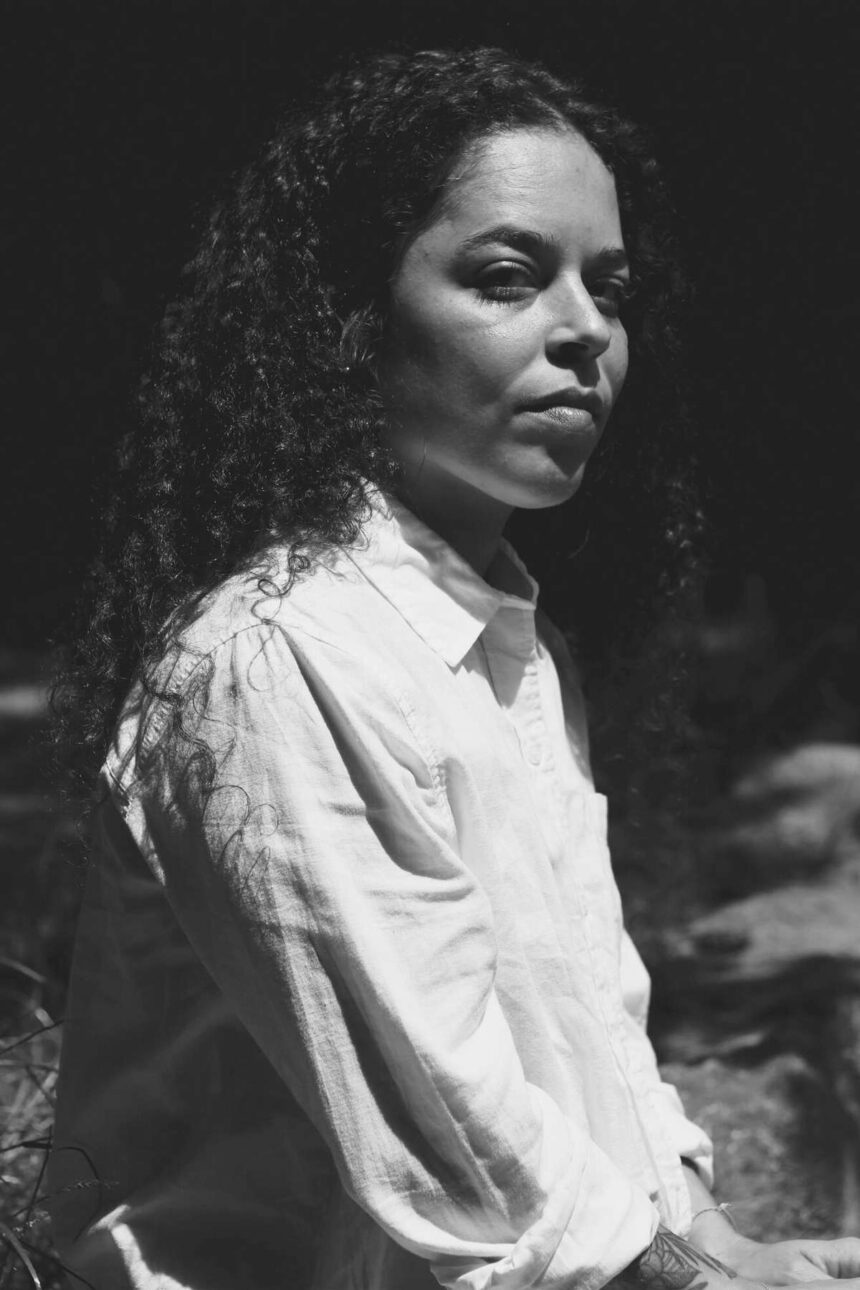
There are some things we only understand about our parents long after childhood has ended.
Sometimes it happens when we reach the age they once were. Sometimes it comes through grief. And sometimes, it arrives quietly — in old notebooks, handwritten pages, and private words never meant for anyone else’s eyes.
For one 34-year-old writer, reading her late mother’s journals opened a door into a life she thought she knew. What she found inside was not a simple portrait of motherhood, but something more human: a woman carrying deep wounds, trying — imperfectly, fiercely — to love her children while struggling to survive herself.
A Mother Carrying More Than Anyone Knew
Years earlier, the writer’s mother had been left to raise four young children alone after ending an abusive marriage.
She was still healing from violence, still wrestling with loneliness, and still carrying older grief — the loss of her own mother at just 14, a wound that never fully closed.
In her journals, she wrote with startling honesty.
Related News

There were pages filled with harsh self-judgment, fear, and exhaustion. She criticized herself relentlessly. She worried she would die young and leave her children behind. She hated needing help, even when life demanded it.
Beneath those pages was a woman trying to parent while also trying to repair the parts of herself that had never been cared for.
That is a difficult balancing act for anyone.
Love That Was Real — Even When It Was Complicated
The daughter’s reflection does not paint her mother as saintly, nor does it reduce her to her struggles.



Instead, it offers something rarer: complexity.
Her mother could be funny, warm, curious, and deeply nurturing. She comforted sick children, held them for hours, sang them to sleep, and created moments of tenderness that stayed bright in memory.
She pursued advanced education. She listened. She laughed easily. She made her children feel seen.
But there were harder days too.
Days when she emotionally disappeared. Days when getting out of bed felt impossible. Days marked by anger, instability, and a need for reassurance that sometimes placed emotional weight on the children she was trying to protect.
For families touched by mental illness or unresolved trauma, this duality is often familiar — love existing right alongside pain.
The Weight of What Gets Passed Down
As the daughter grew older, their relationship changed.
Teenage independence created friction. Illness added strain. The daughter was navigating her own autoimmune disorder while also trying to become herself — something every child must eventually do, even when separation feels painful for a parent.
Years later came another devastating loss.
In late 2013, her mother was diagnosed with Stage 4 cancer.
Treatment briefly gave hope, but the illness spread to her brain. Within 10 months, she was gone. Her daughter was 23.
For many young adults, losing a parent so early can divide life into a before and after. What existed once becomes memory, and memory becomes part of identity.
That is what happened here.
Writing as a Form of Survival
The daughter did not immediately turn grief into words.
But over time, writing became the place where loss could live.
She says she began writing seriously after her mother’s death, and that every story she tells carries traces of that relationship — its tenderness, its fractures, its unfinished conversations.
Not as tribute alone, but as inheritance.
Because what parents leave behind is not only material or practical. They leave language, habits, fears, strengths, and emotional maps — some helpful, some painful, many tangled together.
That inheritance can take years to understand.
Why This Story Resonates
What makes this reflection powerful is its honesty.
It rejects the simple categories families are often placed into — good mother, bad mother, loving home, broken home.
Most families live somewhere in the middle.
Parents can be wounded and loving. They can try hard and still fail in ways that matter. Children can carry hurt and compassion at the same time.
And understanding often arrives later than we expect — softened by age, perspective, and the quiet realization that the adults who raised us were, in many ways, trying to raise themselves too.
Sometimes that understanding doesn’t erase pain.
But it can make room for tenderness.