




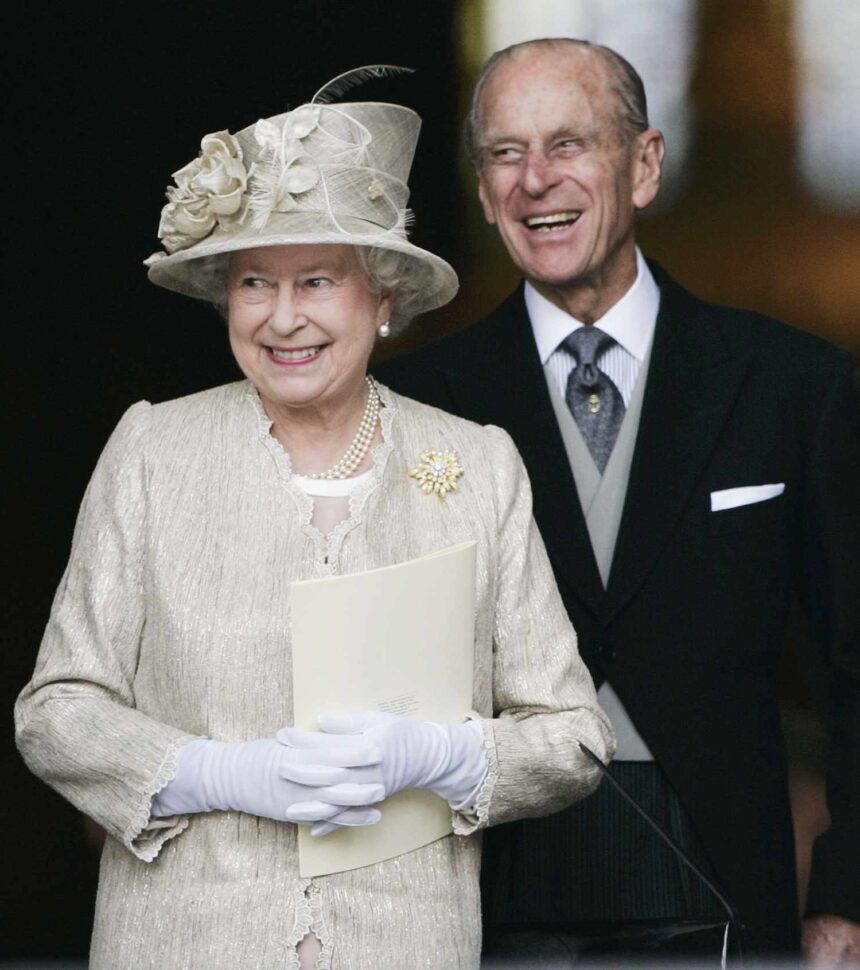
For most of his later life, Prince Philip appeared in public as the same sharp-witted, briskly walking royal many people had known for decades.
But a new royal biography suggests there was a private health battle unfolding behind the scenes — one that few outside the palace knew about.
According to historian Hugo Vickers, the late Duke of Edinburgh was diagnosed with inoperable pancreatic cancer in 2013, eight years before his death in April 2021. The claim appears in Vickers’ new book, Queen Elizabeth II: A Personal History.
A Diagnosis Late in Life
Vickers writes that doctors discovered a shadow on Philip’s pancreas during medical examinations in 2013. Surgeons performed an operation but ultimately concluded that the cancer could not be treated surgically.
Philip was 91 at the time.
After a hospital stay, he returned home to recover. For a period, those around him reportedly feared he might withdraw from public life entirely.
Related News

Instead, the Duke surprised many.
By August 2013, he was back carrying out royal duties — continuing the steady schedule that had defined much of his life alongside Queen Elizabeth II.
Returning to Work
In the years that followed, Philip kept attending events and engagements, even as he moved into his nineties.
He eventually retired from official royal duties in 2017, at the age of 96. By then, he had completed more than 22,000 solo public engagements during his decades of royal service.


After stepping back from public life, he spent much of his time at Wood Farm, a quiet cottage on the Sandringham estate in Norfolk. The property had long been one of his preferred retreats — a place where he could read, paint, and enjoy a quieter routine away from palace life.
The Final Hours
Prince Philip died on April 9, 2021, at Windsor Castle, just two months before what would have been his 100th birthday. At the time, his death certificate listed the cause simply as “old age.”
Vickers’ book offers a more intimate picture of his final hours.
According to the account, Philip left his room late on the night before his death, using a walker to move down the corridor. He reportedly helped himself to a beer and drank it quietly in the Oak Room before returning.
The next morning, after taking a bath, he told staff he didn’t feel well and died shortly afterward.
Queen Elizabeth II was not in the room when he passed, the biography says — something that reportedly upset her, as Philip had slipped away without saying goodbye.
A Longer Fight Than Many Realized
Pancreatic cancer is known for its aggressive nature and often short survival times. If the account is accurate, Philip’s eight-year survival would have been unusually long.
The revelation sheds new light on his final decade — years when he still appeared at official events, stood beside the Queen at major moments, and maintained his famously stoic public demeanor.
For many observers, it adds another layer to the story of a man who spent more than seven decades supporting the British monarch through a changing era.
Why the Story Resonates
Health struggles in later life are often private, even for public figures. Philip’s reported experience reflects something familiar to many families — continuing daily life while quietly managing a serious diagnosis.
His ability to carry on with public duties for years afterward also reinforces the image many people remember: a royal known for resilience, independence, and a stubborn determination to keep moving.
A Quiet Goodbye
In the end, Philip’s final hours appear to have been characteristically understated.
No ceremony. No grand farewell.
Just a late-night beer, a quiet morning, and the end of a life that had spent nearly a century close to the center of British history.