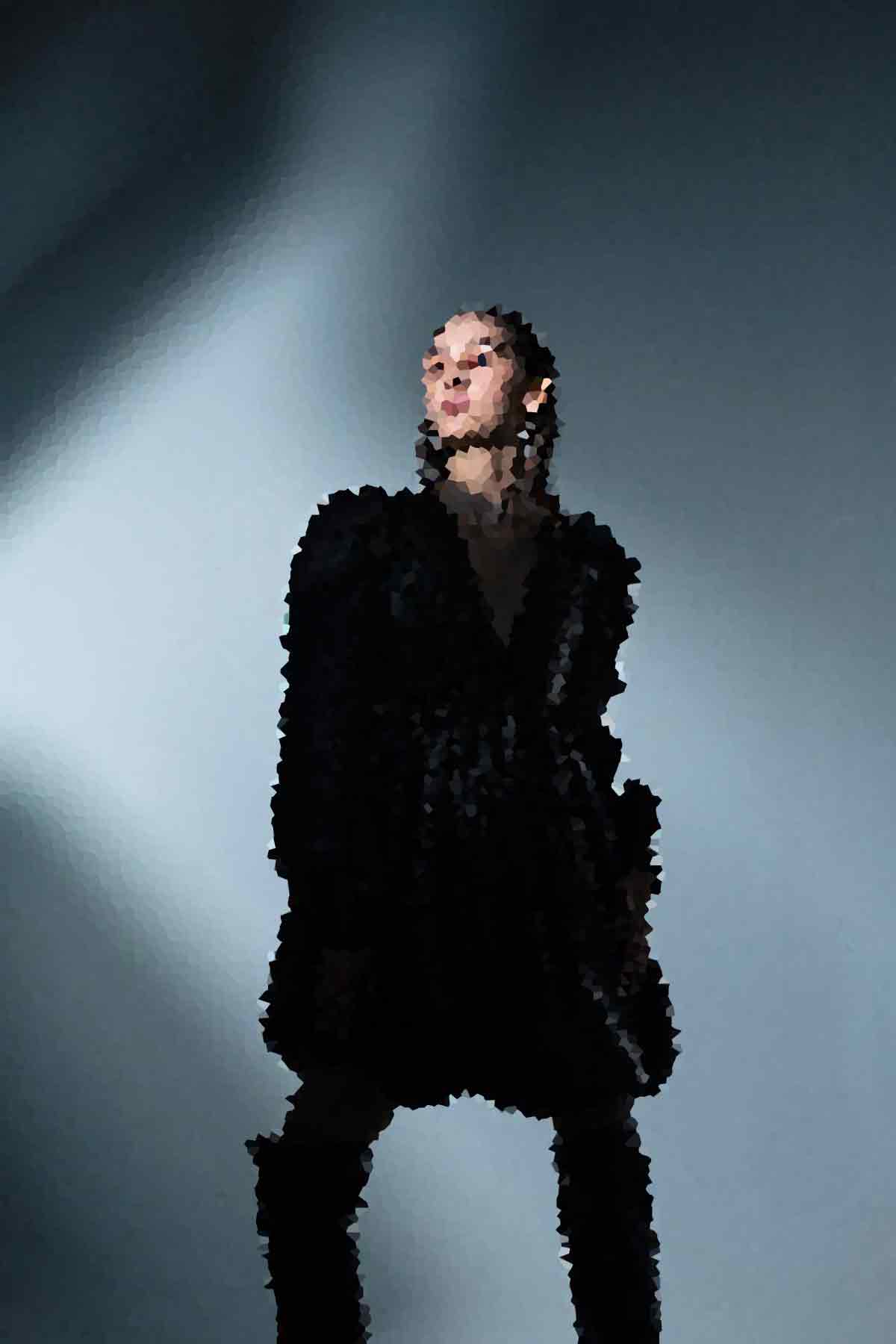







When Heidi Klum stepped onto the red carpet at the 2026 Grammy Awards, it was clear she wasn’t interested in blending in.
The model and longtime TV host arrived at Los Angeles’ Crypto.com Arena on February 1 wearing a dress that immediately slowed traffic — and conversation. It wasn’t just revealing. It was sculpted to look like skin itself.
At 52, Klum leaned fully into shock-and-awe fashion, reminding everyone that the Grammys red carpet remains one of the few places where daring still feels expected.
A dress molded to her body
Klum’s look was a custom creation by designer Marina Hoermanseder, crafted to resemble a nude human form and molded directly to Klum’s own body.
In behind-the-scenes photos and videos shared on Instagram on February 2, the early stages of the leather dress appeared uncannily lifelike, before being lacquered and painted into its final form.
The result was a structured silhouette that hugged every curve — and left little room for movement. Klum took careful, almost baby-sized steps as she made her way down the carpet.
Related News

Choosing shock, on purpose
Speaking on the red carpet, Klum was candid about her intentions.
She said she gravitates toward outfits that feel special and unexpected, explaining that she’s never been one to play it safe. For her, the Grammys are about making a moment — not wearing something “nice.”
That philosophy has guided her red carpet history for decades, and this year was no exception.
A night defined by extremes
Klum’s look fit squarely into a larger pattern at this year’s Grammys, where stripped-down fashion dominated much of the conversation.



Chappell Roan arrived in a sheer Mugler gown accented with faux nipple rings. Teyana Taylor leaned into cutouts and structure in a Tom Ford by Haider Ackermann design. Zara Larsson opted for a cropped gold two-piece, while Best New Artist nominee SOMBR wore a sheer top split open at the chest.
Justin Bieber also made headlines by appearing in little more than boxers during his return to the Grammys stage.
Not everyone went minimal
Still, the night wasn’t defined by skin alone.
Artists like Lady Gaga, Miley Cyrus, and Doechii pushed in the opposite direction, choosing dramatic silhouettes, heavy fabrics, and theatrical trains. Doechii’s sweeping 13-foot train, in particular, offered a striking contrast to the barely-there trend around her.
Together, the looks created a visual tension that felt intentional — minimalism versus maximalism, exposure versus drama.
Why it resonated
The Grammys have long been a space where fashion reflects cultural mood, and this year’s red carpet felt like a study in confidence and contrast.
Klum’s body-molded dress wasn’t just about provocation. It tapped into a broader conversation about aging, visibility, and who gets to take up space — and how boldly.
As the music played inside the arena, the red carpet told its own story: one where personal expression still matters, even when it makes people stop and stare.