



For decades, Y.M.C.A. has been one of those songs that seems to appear everywhere—from weddings and sporting events to parties across the world. In recent years, it also became closely associated with President Donald Trump, who made it the soundtrack to countless campaign rallies and public appearances.
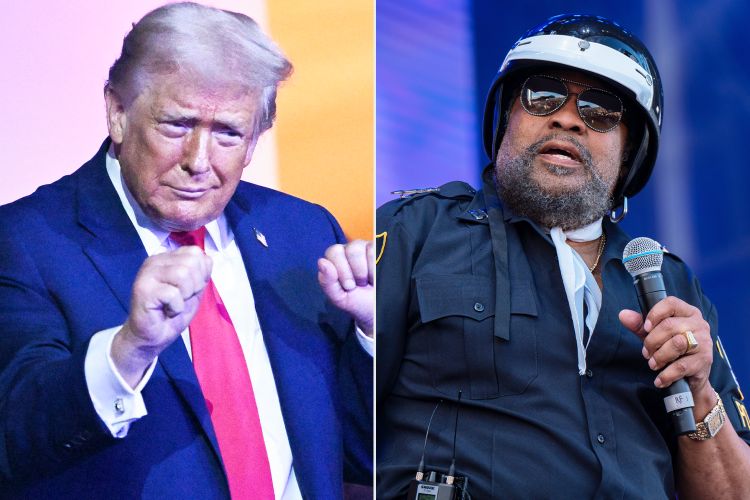
That connection was front of mind on Wednesday as Trump paid tribute to Village People co-founder and lead singer Victor Willis, who died on June 30 after what the band described as a short but aggressive illness. Willis was 74 and would have celebrated his 75th birthday the following day.
A tribute built around music
In a message shared on social media, Trump remembered Willis as someone who welcomed the campaign’s use of Y.M.C.A. from the beginning.
The president thanked the singer for standing by his rallies at a time when several other artists objected to politicians using their music. Trump also said the song had become a major hit again after years of featuring prominently at campaign events, arguing that its popularity surged with a new generation of listeners.
While that claim is difficult to measure in full, the song did enjoy a notable commercial revival. Y.M.C.A. climbed to the top of Billboard’s Dance Digital Song Sales chart in late 2024 and remained there into early 2025, reflecting renewed public interest following Trump’s reelection.
A relationship that evolved
The connection between Trump and the Village People was not always straightforward.
Related News


In 2023, the group issued a cease-and-desist after Trump used another of its best-known songs, Macho Man, during an event at Mar-a-Lago.
But the relationship softened over time. Ahead of Trump’s second inauguration in January 2025, the Village People performed during inauguration festivities, explaining that they believed music should be shared regardless of political differences.
The group acknowledged that the decision would disappoint some fans, but said Y.M.C.A. had become a global anthem capable of bringing people together despite deep political divisions.
Later, Willis explained that he had decided to allow Trump’s continued use of Y.M.C.A. because he believed the president genuinely appreciated the song. He also noted that many other musicians had already barred Trump from using their music, making his decision a personal one rather than a political endorsement.



More than a campaign soundtrack
Over the years, Y.M.C.A. became one of the defining images of Trump’s public appearances.
Whether leaving the stage after rallies or celebrating election victories, the president frequently danced to the familiar disco classic, turning the routine into a recognizable part of his political brand.
During an appearance at Florida’s retirement community, The Villages, in May, Trump joked that First Lady Melania Trump was less enthusiastic about his dance moves. He laughed that she considered them less than presidential, while suggesting the performances had become popular with supporters.
The lighthearted exchange reflected how closely the song had become tied to Trump’s public persona, even as its origins remained rooted in late-1970s disco culture.
Remembering Victor Willis
For music fans, however, this week’s news is ultimately about the loss of a performer whose voice helped create one of pop culture’s most enduring songs.
As a founding member of the Village People, Willis helped shape a track that has crossed generations, cultures and political divides. Nearly five decades after its release, Y.M.C.A. continues to find new audiences in places few could have predicted when it first topped charts in 1978.
His passing closes an important chapter in the group’s history, while the music he helped create continues to echo through stadiums, celebrations and, more recently, presidential campaign rallies.
Rather than belonging to a single moment or movement, Y.M.C.A. has proved remarkably adaptable—a reminder that some songs take on lives of their own long after they are first recorded.