






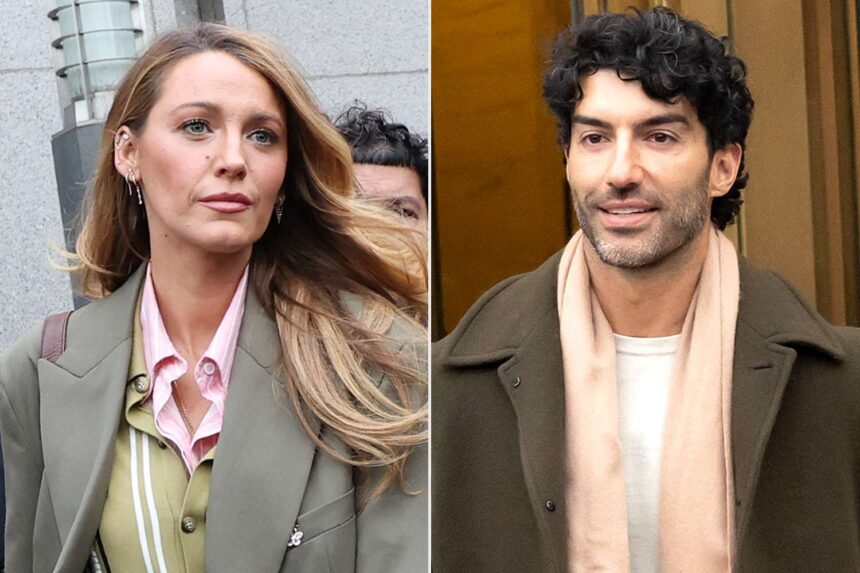
For months, the legal fight surrounding It Ends With Us unfolded in headlines, court filings, and public debate. What began as a deeply serious dispute between two prominent figures tied to the film has now come to a close — not in a courtroom, but through settlement.
Less than two weeks before the case was set to go to trial in New York, attorneys confirmed that the remaining parties had reached an agreement, bringing one of Hollywood’s most closely watched legal battles to an end.
For those involved, the resolution appears to bring a sense of finality — and perhaps relief.
A Case That Shifted Dramatically
According to attorney Bryan Freedman, his client, Justin Baldoni, and producer Jamie Heath are pleased with where matters ended.
Freedman also stressed that Baldoni was no longer personally part of the lawsuit when settlement talks began — an important distinction in a case that changed shape significantly over time.
By the final stretch, much of the original legal dispute had already been pared back. Ten of the thirteen claims had been dismissed through summary judgment. Five individuals were removed from the case entirely.
Related News

What remained was largely a legal conflict between Blake Lively and production-related entities, including Wayfarer Studios.
How It Began
The dispute first emerged in December 2024, when Lively accused Baldoni — her co-star and director on It Ends With Us — of sexual harassment during production.
She also alleged that he had taken part in an effort to harm her public reputation.
Baldoni denied those accusations and later filed a $400 million countersuit, escalating what had already become a highly public and deeply divisive conflict. That countersuit was eventually dismissed.



Then, in April, U.S. District Judge Lewis Liman dismissed several of Lively’s claims, including allegations tied to sexual harassment, defamation, and civil conspiracy.
Retaliation-related claims were allowed to move forward — but the settlement ended the case before those issues could be tested at trial.
More Than a Courtroom Story
In a joint statement, the parties described It Ends With Us as “a source of pride,” while also acknowledging that concerns raised by Lively deserved to be heard.
They reaffirmed support for survivors of domestic violence — a notable point, given that the film itself explores abuse, healing, and the difficult realities many people face behind closed doors.
They also committed to workplaces free from misconduct and toxic behavior.
That language matters because this case was never only about legal claims. It also became part of a broader cultural conversation — one about power, accountability, and what safe working environments should look like in industries built on collaboration and trust.
Why This Resonates
Stories like this often leave people holding two truths at once.
There is the legal outcome — settlements, dismissals, and closed cases. Then there is the wider emotional impact: the conversations sparked, the discomfort exposed, and the questions people continue asking long after court papers are filed away.
For audiences, especially those who connected with It Ends With Us because of its themes of survival and self-worth, that contrast is hard to ignore.
And perhaps that is what lingers most — not the legal ending itself, but the reminder that behind every headline are people, workplaces, and complicated human realities that rarely fit neatly into verdicts or settlements.