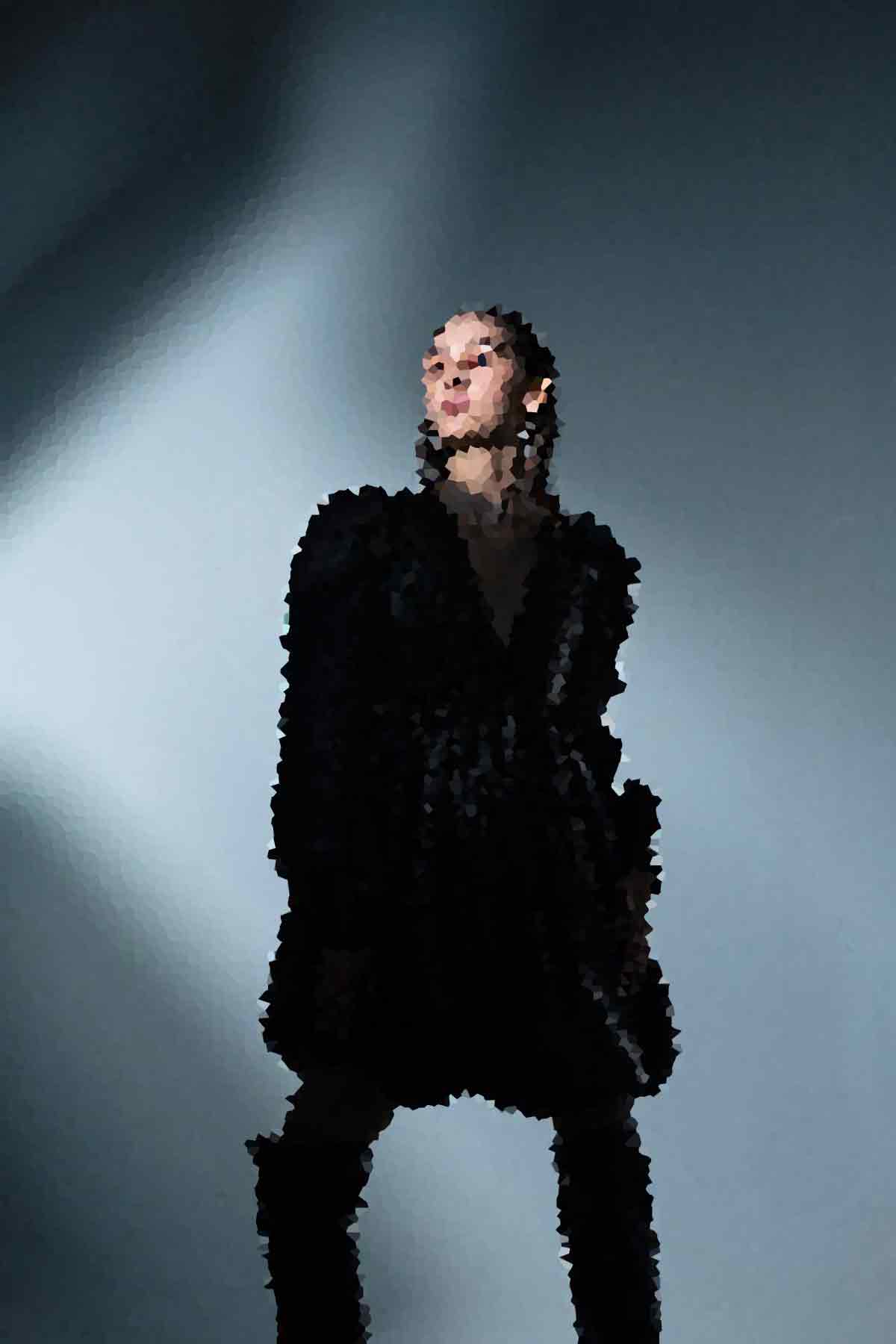






For many people, Elizabeth Smart has long been a symbol of resilience and advocacy.
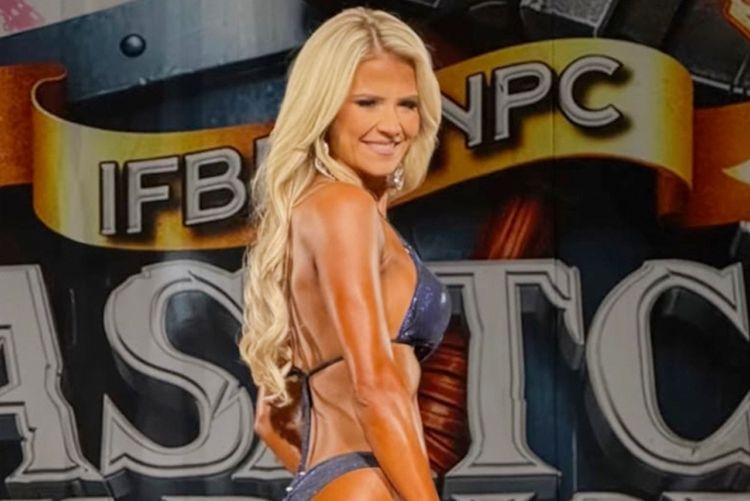
But over a spring weekend in Salt Lake City, she introduced herself to the public in a new way — standing under bright lights, not as a speaker or activist, but as a competitor in a bodybuilding show.
It was a shift that surprised even her longtime followers. And, as she later admitted, one she wasn’t entirely sure how the world would receive.
A New Challenge, Quietly Taken On
Smart competed at the Wasatch Warrior bodybuilding and fitness event on April 17 and 18, entering multiple categories under her married name.
She placed first in the Fit Model Novice category, second in the Fit Model division, and third in Fit Model Masters 35+.
The competition, governed by National Physique Committee standards, evaluates athletes on symmetry, muscularity, stage presence, and overall conditioning — a demanding mix of discipline and presentation.
Related News

For Smart, it marked her fourth fitness competition. But this one felt different.
The Hesitation Behind the Spotlight
When she eventually shared a photo from the stage on Instagram, it came with a candid admission: she had been afraid to post it.
Smart worried that stepping into bodybuilding might change how people see her — that it could undermine the seriousness of her work as an advocate for survivors of abuse.
She described those fears as familiar.



The hesitation, she explained, echoed emotions tied to her past — the lingering weight of being judged, misunderstood, or reduced to a single narrative.
Carrying a Public Past
At 14, Smart was abducted from her home and endured months of abuse before being rescued in 2003.
In the years since, she has become one of the most recognizable voices in child safety advocacy, speaking openly about survival, recovery, and resilience.
Her public identity has often been shaped by that history — something she has worked to both honor and move beyond.
Her marriage to Matthew Gilmour in 2012 and her life as a mother of three have added new dimensions, but the past has never been far from public perception.
Redefining Strength
Bodybuilding, Smart said, offered a different kind of test.
It demanded consistency, discipline, and a willingness to push through discomfort — both physical and emotional.
More than that, it became a way to reconnect with her body, not as something defined by trauma, but as something capable, strong, and worthy of celebration.
She spoke about pride — in what her body has endured, and in what it continues to do.
More Than One Story
Smart’s decision to compete — and to share it — reflects a broader message she has often expressed: that people are more than the worst thing that has happened to them.
In stepping onto a bodybuilding stage, she wasn’t stepping away from advocacy.
If anything, she was expanding the conversation — showing that healing can include joy, experimentation, and even reinvention.
Why It Resonates
For many survivors, the fear of being boxed into a single identity is real.
Smart’s experience touches on a familiar tension: how to honor a difficult past without letting it define every future choice.
Her story also reflects a quieter truth — that trying something new, especially in public, can feel risky at any stage of life.
A Different Kind of Visibility
There was no major announcement before the competition. No campaign, no buildup.
Just a quiet decision, followed by a moment on stage — and later, a thoughtful explanation.
In that way, the moment feels less like a reinvention and more like an expansion.
A reminder that growth doesn’t always arrive loudly. Sometimes, it shows up in small, personal decisions — like choosing to step forward, even when you’re unsure how it will be received.