




It’s easy to forget how ordinary habits can follow us into extraordinary places.
Even at 30,000 feet, where precision and discipline matter most, the pull of a quick photo proved hard to resist.
This week, the South Korean Air Force publicly apologized for a mid-air collision between two fighter jets during a 2021 training exercise—an incident now drawing fresh attention after new details emerged about what happened in the cockpit.
A moment meant to be remembered
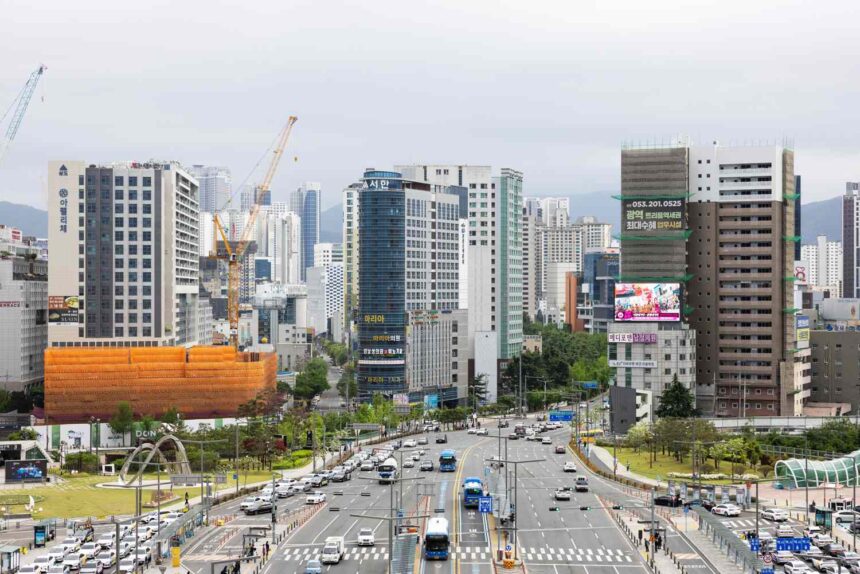
The flight took place in December 2021 near the city of Daegu.
For one pilot, it wasn’t just another routine mission. It was his final flight with the unit, and he had told colleagues beforehand that he planned to take photos to mark the occasion.
That decision, while seemingly harmless, set the tone for what followed.
A dangerous distraction
According to a recent investigation by the Board of Audit and Inspection, pilots aboard one aircraft began filming their wingman mid-flight.
Related News

As the jets returned to base, the wingman made a sudden, uncoordinated maneuver—reportedly reacting to being filmed.
In seconds, the distance between the two F-15K jets narrowed dangerously.
Both pilots tried to correct course, but it wasn’t enough. One aircraft’s wing clipped the tail of the other.
Close call, costly consequences
Remarkably, both jets managed to land safely. No lives were lost.


But the damage was significant—estimated at around 880 million won, or roughly $600,000.
Responsibility didn’t fall on one person alone. Investigators found a culture of “implicit consent,” where multiple pilots were aware of the plan to take photos but didn’t intervene.
The wingman was ordered to cover a fraction of the repair costs. Another pilot was suspended, disciplined, and has since left military service.
A wider problem comes into focus
The report went further than individual mistakes.
It pointed to broader issues within the air force, including unclear or loosely enforced rules around camera use during flights.
Perhaps more concerning, those involved indicated that taking photos mid-air wasn’t a one-off occurrence.
That detail shifts the story from a single lapse in judgment to something more systemic—a gap between rules on paper and behavior in practice.
Why this resonates beyond the military
At its core, this story isn’t just about fighter jets.
It’s about how modern habits—documenting moments, sharing experiences—can quietly creep into places where they don’t belong.
In everyday life, the stakes are usually low. A missed moment, a distracted conversation.
But in high-risk environments, even a small distraction can carry real consequences.
Moving forward, carefully
The air force says it is taking steps to prevent similar incidents, though details remain limited.
For many, the hope is that this serves as a turning point—one that reinforces the boundaries between personal expression and professional responsibility.
Because sometimes, the line between the two is thinner than it seems.